
BLOG

Flexible Working, Home Working and DSE: Staying Compliant as the Rules Evolve
Flexible working is now firmly established as a day-one right for employees in the UK. Since 6 April 2024, staff can request flexible working from the very start of their employment. Employers must handle every request in a reasonable manner, consult with the...

October 2026 Employment Law Changes: What UK Employers Need to Know
October 2026 marks a significant milestone in the implementation of the Employment Rights Act 2025. A package of reforms will come into force that strengthens protections against harassment, extends the time employees have to bring tribunal claims, and expands trade...
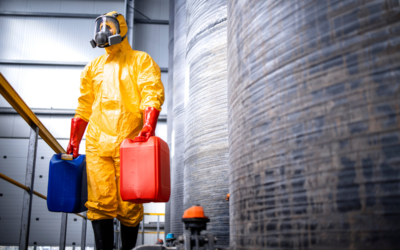
Understanding DSEAR: Why Training and Risk Assessments Are Essential for UK Workplaces
The Dangerous Substances and Explosive Atmospheres Regulations 2002 (DSEAR) a key part of the legal framework protecting workers and others from fire, explosion, and related risks arising from dangerous substances in the workplace. These regulations apply widely:...
What are the TILEO Manual Handling Principles? A Comprehensive Guide
With over a third of all workplace accidents in the UK attributed to poor lifting and carrying techniques, conducting a proper manual handling risk assessment is not just good practise, it is a strict legal requirement under the Manual Handling Operations Regulations...
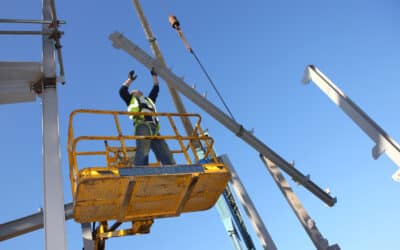
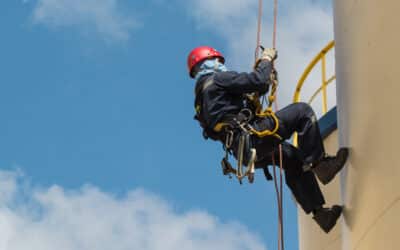
Work at Height Regulations 2005: A Simple Guide for Employers
Falls from height remain one of the leading causes of workplace fatalities and major injuries in the UK. To combat this, the Work at Height Regulations 2005 (WAHR) were introduced to ensure that all activities performed at height are properly planned, supervised, and...
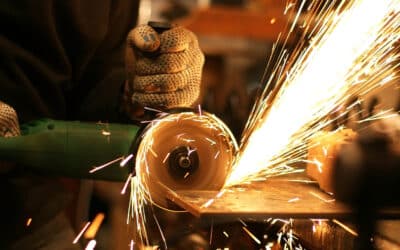
Abrasive Wheels Regulations UK Explained: A Complete Guide
Operating an abrasive wheel, whether it is an angle grinder on a construction site, a bench grinder in a workshop, or a petrol-driven cut-off saw, comes with severe risks. Because these wheels spin at thousands of revolutions per minute (RPM), a momentary lapse in...

CHAS Accreditation Guide: Requirements, Costs, and How to Apply
For many contractors and suppliers across the UK, CHAS accreditation has become a vital requirement when bidding for work. Local authorities, construction firms, and housing associations all frequently ask for it as part of their procurement process. Yet despite how...
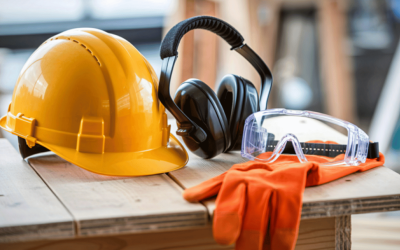
Why “Just Wearing It” Isn’t Enough With PPE at Work
Walk onto just about any site, and you’ll see hard hats on heads, gloves in back pockets, high-vis vests zipped up. On the surface, everything looks compliant and safe. But here’s the tricky truth: simply issuing protective equipment doesn’t mean it’s being used...
Health and Safety Advisors: What They Do, Why They Matter, and How to Become One
Health and safety advisors play a quiet, critical role in keeping people safe at work. They work behind the scenes, reviewing processes, challenging decisions, guiding leaders and preventing incidents left, right and centre. When they’re doing their job well, you...

Why In-Person Training Still Matters for Health and Safety
Online training is a very useful tool in our busy world - it’s flexible, convenient and cost-effective. But when it comes to health and safety for managers and supervisors, convenience alone just doesn’t cut it (or at least, it shouldn’t). Robust health and safety...
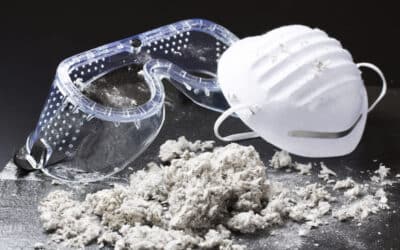
Understanding Asbestos: Risks, Regulations and Reality in the UK
Asbestos. It’s a word that still sends a shiver down the spine of anyone involved in construction, maintenance or facilities management. While the material was banned decades ago, its repercussions remain, tucked away inside millions of buildings across the UK. ...

Mastering Time Management for Personal and Professional Success
Do you ever feel like there just aren’t enough hours in the day? Time management—the ability to plan and control how you spend your time—is a skill that can have a huge impact on both your personal and professional life. With effective time management, you can boost...

Working From Home Health and Safety: The Ultimate UK Employer Guide
The shift to remote and hybrid working has completely revolutionised the modern workplace. However, while employees enjoy the flexibility and zero-commute lifestyle, this transition has created a complex compliance minefield for UK employers. Many businesses...
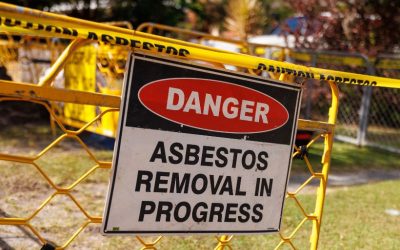
A Comprehensive Guide to the Control of Asbestos Regulations 2012
Asbestos has long been recognised as a silent killer - a once-common construction material now linked to serious health risks, including fatal diseases such as mesothelioma and asbestosis. To control these risks, the UK introduced the Control of Asbestos Regulations...

New Legal Protections Against Workplace Sexual Harassment: What Employers Need to Know
As of 26 October 2024, new legal protections have come into force in the UK, establishing a stronger framework for preventing workplace sexual harassment and requiring employers to proactively address this issue. With an emphasis on reasonable steps, the new duty...

What is IOSH & How Does Training Help?
Every organisation in the UK needs effective strategies to protect its workforce, comply with regulations, and promote a culture of health and safety. But strong health and safety performance doesn’t happen by accident - it comes from knowledge, leadership and...

Fire Risk Assessments for Businesses: The Ultimate 5-Step UK Guide
Every year in the UK, workplace fires cause millions of pounds in property damage, disrupt operations, and most critically, put human lives at serious risk. Under the Regulatory Reform (Fire Safety) Order 2005 (often referred to as the RRO), almost all businesses...

The Role of Personal Protective Equipment (PPE) in COSHH Compliance
In 2023, over 1.8 million workers in the UK suffered from work-related ill health, with hazardous substances being a significant contributor. This statistic reminds us of the critical importance of effective safety measures in the workplace. One of the most vital...
How a Positive Safety Culture Affects Productivity in the UK Workplace
For many UK business owners, health and safety compliance is often viewed as a necessary evil with visions of a mountain of red tape, risk assessments, and box-ticking designed solely to keep the authorities happy. However, forward-thinking organisations know that...
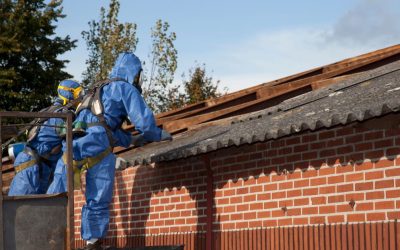
The Long-Term Health Effects of Asbestos Exposure: UK Guide
Despite the use, supply, and importation of the mineral being completely banned in the UK in 1999, asbestos remains the single greatest cause of work-related deaths in the country. According to the Health and Safety Executive (HSE), past exposure to asbestos is...

10 Key Health & Safety Rules for Building Sites
Construction sites are inherently dangerous, with heavy machinery, moving objects and harmful dust just being part of the parcel. Which is why health and safety on building sites is not just about compliance; it’s about safeguarding lives and ensuring a productive...
Understanding LOLER Regulations in the UK: Everything You Need to Know
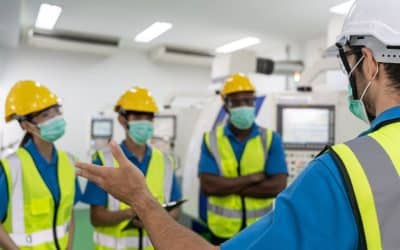
The UK takes workplace safety very seriously, with regulations designed to protect employees and the public in many different circumstances. Among these regulations, the Lifting Operations and Lifting Equipment Regulations (LOLER) come into play in ensuring the safe...

What is Human Resources and is an HR Department Necessary?
Like the rest of the world, the UK has a complex, quickly evolving business landscape. New laws come into play regularly, the cost-of-living crisis is taking a toll on most employees, and many are still grappling with the aftereffects of the COVID-19 pandemic. All of...

Why Enrol Employees in Online HR Courses?
HR knowledge can enhance workplace dynamics, improve compliance with regulations, boost overall productivity, and improve individual well-being and mental health. One effective way to impart this knowledge is through online HR courses, which offer a flexible,...

Everything You Need to Know About UKAS
Among the many accreditation bodies in the UK, the UKAS is at the top. This is because, when it comes to health and safety advisory services, credibility and trust are of top importance, and the UKAS has these in abundance. Why, you ask? Well, it’s the only...

Understanding Wood Dust: Hazards, Prevention, and Employer Responsibilities
Woodworking operations generate wood dust - that comes as no surprise. What might shock many, however, are the significant health risks that wood dust poses to workers if not properly managed. As a trusted UK Health and Safety Consultancy, Safety Services Direct...

How to Embrace Equality and Diversity in the Workplace
The working landscape keeps changing in the UK, with fluctuating opinions on hybrid and online working, changing policies, and the cost-of-living crisis. However, one thing that doesn’t change is that the principles of equality and diversity are pillars of progress...

Mastering Time Management: A Guide to Productivity and Success
While many topics may be divisive in our modern world, we can agree on one thing: time is a precious commodity. Effectively managing this finite resource is key to unlocking productivity and achieving success. So, in this guide, we’re exploring the art of time...
Guide to Abrasive Wheel Regulations
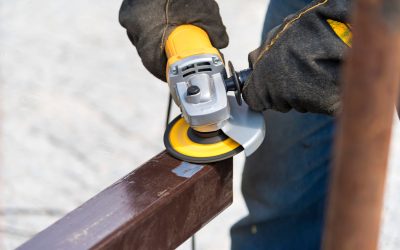
Abrasive wheels are widely used across various industries, from construction to manufacturing, but their use comes with inherent risks. Whether it's a mounted flap wheel or a diamond cutting wheel, grinding wheels are dangerous. Safety Services Direct, a trusted UK...

Abrasive Wheel Types and Applications
Curious about abrasive wheels and their diverse applications? Whether you're involved in metalworking, construction, manufacturing or even just home DIY, understanding these tools is vital for safe and effective usage. As a trusted UK health and safety advisory, we...
Can You Identify Asbestos-Containing Materials (ACMs)? A UK Guide
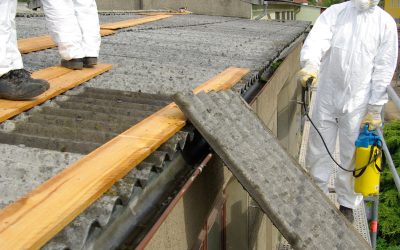
If you work in construction, plumbing, electrical installation, or property maintenance, you are on the front lines of the UK's most deadly hidden hazard. According to the Health and Safety Executive (HSE), past exposure to asbestos is responsible for around 5,000...
The Legacy of Asbestos in the UK
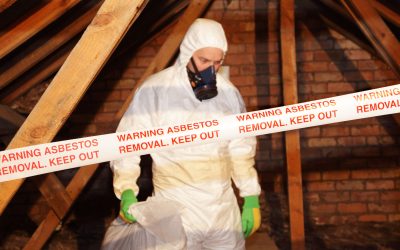
Asbestos, once hailed for its versatility and used across the construction industry, has long been banned in the UK due to its severe health implications. The prohibition, enacted to protect public health, was a crucial milestone in championing workplace health and...
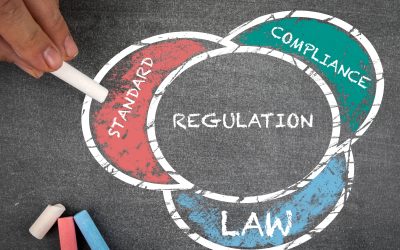
Navigating PUWER Regulations to Ensure Workplace Safety
In the ever-evolving landscape of workplace safety, businesses across the UK increasingly recognise the importance of adhering to robust health and safety regulations. One such crucial set of regulations is PUWER - an acronym that holds significant weight in...

Benefits of ISO Certification in 2024
In the fast-paced and evolving business landscape of 2024, commitment to excellence, safety, and sustainability is crucial for every business trying to achieve new heights. ISO certifications showcase this commitment while ensuring continual improvement in business...

How to Get ISO Certified in the UK
In a dynamic business landscape, staying ahead often means meeting stringent quality standards. Safety Services Direct, a trusted name in the health and safety industry, has recently expanded its offerings to include ISO gap analysis services, empowering businesses to...

Understanding the 5 Key Principles of the Mental Capacity Act
The Mental Capacity Act (MCA) is the UK's foundation of decision-making in mental health. The principles of this act ensure that the autonomy of individuals with mental health is empowered, supported and respected. This act influences decision-making across the board,...

Guide to Personal Protective Equipment
When it comes to occupational safety, the term "PPE" is often thrown around. But what does PPE stand for, and why is it so important? In this blog, we unravel the meaning of PPE, dive into what’s included, the industries that require PPE, and navigate the intricate...

Employee Health and Safety Responsibilities in the UK: The Ultimate Guide
When we talk about workplace health and safety, the spotlight almost always falls heavily on the employer. It is entirely true that business owners and directors bear the ultimate legal burden for keeping the workplace safe, conducting risk assessments, and providing...
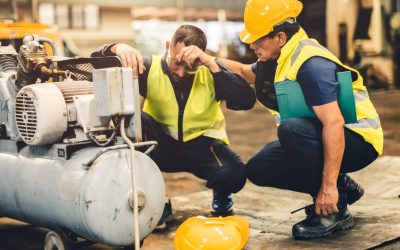
The Difference Between Hazard and Risk in UK Health and Safety
In the UK, where safety is woven into our laws, a basic understanding of the concepts of hazards and risks is crucial. The ability to differentiate between these terms is necessary for the effective health and safety management required by all businesses to succeed....

Demystifying RIDDOR: The Ultimate UK Reporting Guide for Employers
Workplace accidents are an unfortunate reality. Even with the most robust Risk Assessments and Method Statements (RAMS) in place, incidents can still occur. When they do, knowing exactly how and when to report them is a critical legal requirement for UK employers....

What Does SSIP Stand For? A Guide to SSIP Accreditation
For contractors and construction firms operating in the UK, navigating health and safety compliance can often feel like an endless maze of paperwork. If you are bidding for commercial contracts, local authority work, or housing association projects, you have likely...
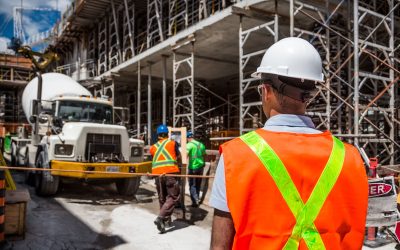
Top 10 Workplace Safety Hazards in 2026: A UK Mitigation Guide
Every year in the UK, workplace hazards result in thousands of injuries and massive financial losses for businesses. According to the latest Health and Safety Executive (HSE) statistics, millions of working days are lost annually due to work-related ill health and...
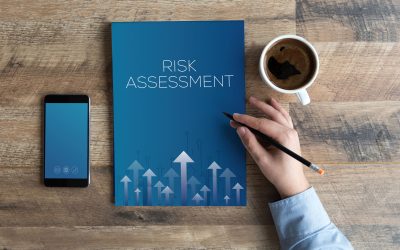
Five Common Mistakes to Avoid in RAMS
In our modern world, where organisations are dynamic hubs where so much happens, risk assessments and method statements are integral to ensuring the safety and efficiency of operations across various industries. At Safety Services Direct, we know how important these...

What is a Gap Analysis?
In our fast-paced world, where competition between companies grows ever more fierce, organisations need to keep on top of the ball. Gone are the days when you could offer a great service or product, and that’s enough to get by; here are the days where excellence is...

What Does ISO Stand For?
Standing for the International Organisation for Standardisation, ISO is more than just a sequence of letters; it represents a global framework for quality, safety, and efficiency across various sectors. In this blog, we’re delving into what ISO stands for, its...
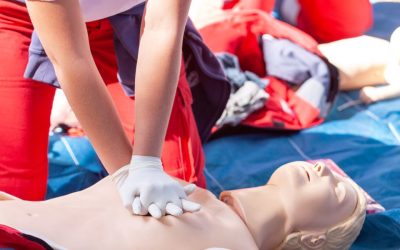
The 3 P’s of First Aid: Preserve, Prevent, Promote
Accidents and emergencies are never expected, but should always be planned for. In these critical moments, having even a basic understanding of first aid can make a life-saving difference. First aid is not just a skill; it’s a set of principles designed to provide...
What Should Be Included In Your Asbestos Policies & Procedures?
Asbestos is a hazardous material that was widely used in construction, manufacturing, and other industries until the 1980s. Although the use of asbestos has been banned in the UK since 1999, many buildings still contain asbestos-containing materials (ACMs), which can...
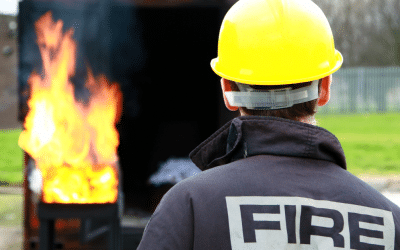
Why Fire Marshal Training is Crucial for Workplace Safety
Fire safety is an essential aspect of workplace safety that should never be taken lightly. In the United Kingdom, fire safety regulations and legal requirements exist to ensure that employers take the necessary measures to protect their employees and property from the...
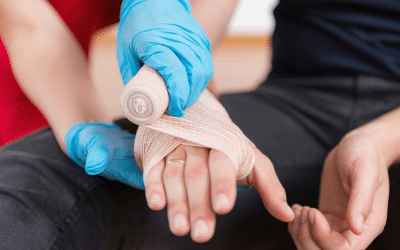
Workplace Burns: Causes, Degrees, and First Aid Treatment UK
Every year in the UK, thousands of workers suffer painful, debilitating burn injuries. While we often associate burns with high-risk industries like welding, commercial catering, or chemical manufacturing, severe burns can happen in any workplace from scalding hot...
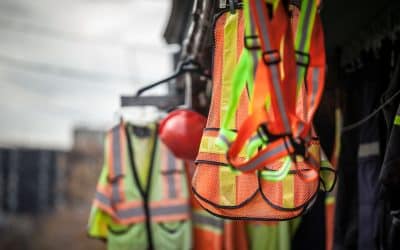
The Importance of PPE in the Workplace
Personal protective equipment (PPE) is a crucial aspect of workplace safety that cannot be ignored. Employees face a range of hazards that could cause injury or illness, such as working with hazardous substances or heavy machinery. The use of appropriate PPE can...
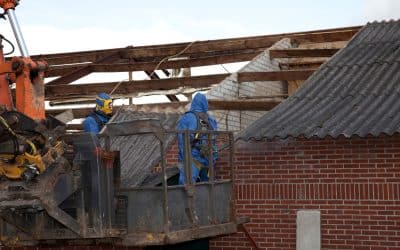
Asbestos Awareness Courses & Certificates: Your Questions Answered
Asbestos is a highly hazardous material that was widely used in UK construction for decades. Although it was banned in 1999, fibres are still present in pre-2000s buildings and can be disturbed during routine tasks like drilling, cutting or accessing hidden areas...
What Is The ConstructionLine Accreditation?
To thrive in today’s construction industry, businesses need to work towards achieving certain accreditations as they help to demonstrate a business's compliance with relevant health and safety standards. One of these top accreditation is ConstructionLine which is...

What Is Lone Working? Everything Employers Need To Know
Updated 08/06/2023 Lone working encompasses a broad range of industries and occupations, resulting in an estimated 6.8 million workers in the UK falling into this category. There are a variety of risks associated with lone work, which are important for both employees...

What Is A Dynamic Risk Assessment?
Risk assessments are crucial in every industry and business. They have multiple purposes, but first and foremost, they ensure that your staff are not exposed to any unnecessary risks. Formal risk assessments are very useful in identifying potential hazards and...

How to Improve Your Manual Handling Technique: The Ultimate UK Guide
Every single day in the UK, thousands of workers risk debilitating back injuries simply because they pick things up incorrectly. Despite being a routine part of working life across construction sites, warehouses, and offices, poor lifting technique remains one of the...
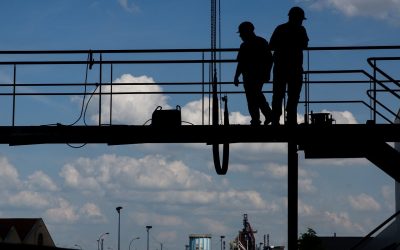
When Are Personal Fall Arrest Systems To Be Used?
Updated: 07/07/2023 Working at heights can be daunting, especially when you know there is a risk of falling. With or without fall arrest equipment, it can be a scary position to be in. However, the risk of working at heights should never be taken without the right...
9 Working At Height Safety Tips
Updated: 07/07/2023 Working at heights is one of the biggest culprits contributing to injuries and fatalities that occur in the workplace. In fact, 24% of worker deaths were caused by fatal injuries in 2021/22. As an employer, it is crucial to prioritise safety and...

What’s the Difference Between a Risk Assessment and a Method Statement (RAMS)?
If you are a contractor or tradesperson operating in the UK, you have almost certainly been asked by a client or principal contractor to "send over your RAMS" before starting a new job. RAMS stands for Risk Assessments and Method Statements. Because these two...

Violence in The Workplace
Since the pandemic began, individuals, teams, and entire organisations have been put under more stress than ever. Along with this stress and the changes that the pandemic has caused, there has been a severe spike in violence in the workplace. Not only are physical and...
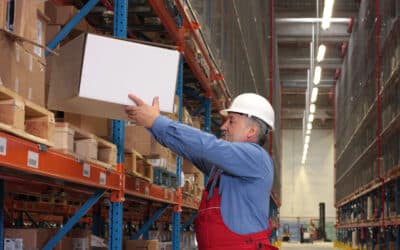
What Is Your Maximum Manual Handling Weight Limit?
Manual handling injuries are the second most common workplace injury in the UK, so health and safety should be of the utmost importance for employers in this sector. Many factors can affect how safe a manual handling activity is; and we’ve previously shared lifting...

Manual Handling Injuries: Causes & Prevention
Manual handling injury statistics indicated that during 2018 and 2019, approximately 650,208 workplace injuries were reported over the course of the year. Of this, 20% were attributed to activities where handling, lifting or carrying was involved, and 19% were due to...

What Are CDM Regulations & What Is Their Purpose?
Updated: 07/07/2023 In the world of construction, where innovation, progress, and development happen at a phenomenal pace, a single misstep can spell disaster. The safety of the workers involved, the integrity of the project, and the welfare of the public are of...
PPE and Heat Stress
As we move into Phase 3 of the Government's 'Plan To Rebuild' and many places of work and businesses start to reopen under the new Covid-19 secure guidelines, PPE has quickly become the norm for workplaces that would not normally wear it such as retail stores, hair...

Steps You Need To Take To Get Your Workplace COVID-19 Secure
As we begin to see the light at the end of the lockdown tunnel, businesses across the country will be looking forward to returning to some form of normality. Nevertheless, the threat of coronavirus is by no means gone, and the lessons of the past few months will...
Fit Testing Face Masks
As construction sites and manufacturing businesses begin to open up, following the guidance released by the Government this week, one of the precautionary measures that many people have taken upon themselves to implement is the use of face masks. Although scientists...
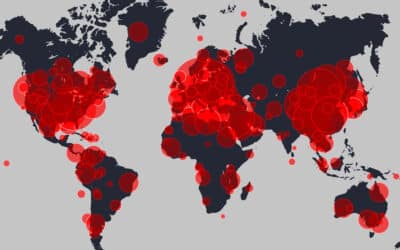
RIDDOR Reporting and COVID-19
Under RIDDOR (Reporting of Injuries, Diseases and Dangerous Occurrences Regulations) employers/businesses are expected to report cases of COVID-19 to the HSE, as they would any other disease or illness that an employee has been exposed to in the workplace. A couple of...

Homeworking Risk Assessments
Working from home has now become the new normal for many of us and businesses who didn't even have a homeworking policy in place this time last month, have now had to implement one, where possible, in order to practice social distancing without compromising the...
Protecting Your Mental Health During A Pandemic
The threat of coronavirus extends far beyond just those who are infected by it. It is having a monumental impact on many other areas of our lives and wider society too. For example, it is having a great effect on people who suffer from pre-existing mental health...

Covid & the Importance of a Workplace Pandemic Preparedness Policy
With coronavirus hitting the UK, the World Health Organisation (WHO) characterising it as a pandemic, and Donald Trump banning travel from European countries to the US (except for the UK), businesses may have to make some big decisions to ensure workforce safety....

How To Prevent The Transmission of Coronavirus
The latest Coronavirus (2019-nCoV) was first reported on 31st December. Originating in China, it has since spread to other countries, with nine people in the UK testing positive for the illness. Unfortunately, there is no vaccine or medication to protect us; however,...
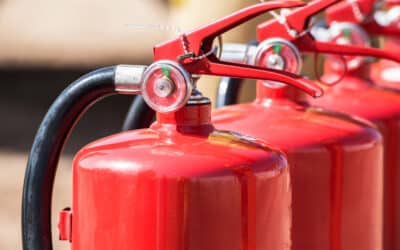
Do You Know Your Fire Extinguishers? Types, Colours & Classes
Updated: 07/07/2023 Fire safety is a crucial aspect of workplace security, and one of the key components of fire safety is understanding fire extinguishers. While we all endure the occasional inconvenience of fire alarm drills, many companies overlook the importance...
Health and Safety Workplace Statistics for 2019/18
The HSE recently released their annual Health and Safety statistics for 2018/2019, and you should take the time to have a look through these in more detail, but we're going to break down some of the most interesting figures. There has been a slight increase in the...
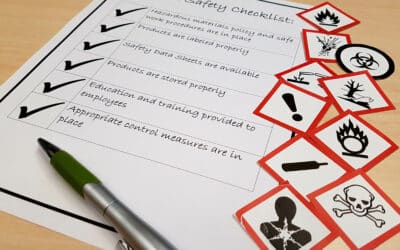
What Is A COSHH Risk Assessment? A Comprehensive Guide
As an employer, it is crucial to prioritise the health and safety of your employees, especially when it comes to working with hazardous substances. A COSHH (Control of Substances Hazardous to Health) risk assessment plays a vital role in identifying, evaluating, and...
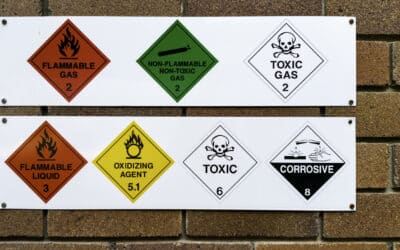
What Is COSHH Training and Do I Need It?
All employers have a legal obligation to reduce any potential risks to their employee’s health. It is down to you to ensure that a workplace is fit for purpose, meets requirements, and above all else keeps your employees safe and well. This involves everything from...

What is the Difference Between Slips, Trips, and Falls?
Slips, trips and falls make up over a third of workplace accidents and are the most common workplace hazard in the UK. But what exactly do we mean when we say slips, trips and falls? More often than not, we use the terms “slip”, “trip”, and “fall” interchangeably, but...

What Injuries Can Be Caused By Manual Handling? A UK Prevention Guide
Manual handling is a part of almost every job in the UK. Whether you are lifting heavy cement bags on a busy construction site, moving pallets in a warehouse, or simply carrying boxes of printer paper in an office, the physical act of transporting or supporting a load...

HSE Launch a New Round of Dust Inspections
The HSE have announced that they are cracking down on UK businesses where workers are exposed to a range of different dusts that are linked to respiratory diseases. Over the next few weeks, HSE inspectors will focus on industries such as construction, woodworking and...
5 Facts About Asbestos
Asbestos is a harmful substance that, although is not used in construction today, is often found in older buildings, putting a number of workers at harm if they're not correctly educated and protected - that's where Asbestos Awareness Training Courses and PPE...

Do You Need CHAS Accreditation?
CHAS is a health and safety accreditation scheme that aims to improve health and safety standards across the UK. It stands for: ● Contractors ● Health & Safety ● Assessment ● Scheme CHAS is one of a number of health and safety assessment schemes available; it's...

What’s The Difference Between Risk Assessments & Method Statements?
Risk Assessments and Method Statements are often mentioned within the same breath, as the two reports tend to be carried out side by side. However they are differing documents that analyse different health and safety elements of the working environment. In the...

Your Duty Under RIDDOR
All employers have a duty of care towards their workers which means that they must take all necessary steps to ensure their health, safety and well-being at all times whilst at work. This includes conducting a risk assessment to identify any hazards and put...
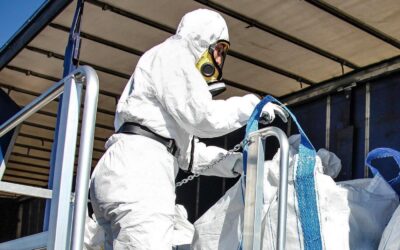
How Important is UKATA Asbestos Awareness Training?
UKATA is the United Kingdom Asbestos Training Association and is one of the leading authorities for asbestos awareness training in the UK. The UKATA Asbestos Awareness Course is delivered in accordance with current HSE legislation, ensuring that workers receive...

Is Your Workplace Ready For Brexit?
Brexit has been somewhat of a rollercoaster since the results were announced back in June 2016 (yes, this has been going on for over two and a half years) and with the UK officially leaving the EU on the 29th of March we may finally have some idea as to what this...
Biggest Causes of Workplace Accidents in 2018
Last year almost two thirds of workplace accidents were caused by just three types of hazards: manual handling, slips, trips and falls and being struck by an object. These are all relatively avoidable and given the correct training and equipment you can ensure that...
Who Are RoSPA? – RoSPA Explained
RoSPA (The Royal Society for the Prevention of Accidents) are a registered charity devised to prevent workplace accidents that can cause life altering accidents. Their mission brings people together to discover life-enhancing skills which reduces accidental injuries,...
How To Reduce Slips, Trips and Falls
A slip, trip or fall in the workplace can lead to a serious injury or worse. 31% of non-fatal injuries in the UK in 2017/2018 were caused by slips, trips and falls. With 100 people dying from work-related incidents, the fight to reduce harm in the workplace continues....
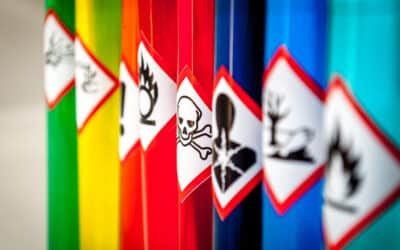
What Are Your COSHH Responsibilities? COSHH Explained
Updated 08/06/2023 The health and safety of employees in the workplace is of paramount importance, especially when it comes to handling hazardous substances. The Control of Substances Hazardous to Health (COSHH) regulations play a vital role in ensuring the protection...
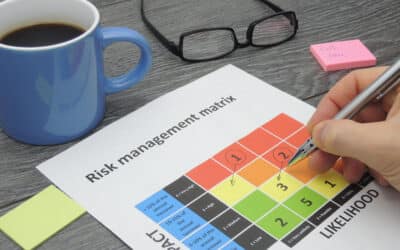
What Are RAMS? Risk Assessment Method Statements Explained
In the UK, every business has to complete a risk assessment. And in accordance with the Management of Health and Safety at Work Regulations 1999, any company that employs over five people has a legal responsibility to document all risk assessments undertaken in the...
Employers’ Health and Safety Responsibilities
Employers are responsible for the health and safety of all employees and visitors to their premises. Visitors include customers, suppliers and the public. Essentially, it is an employers' duty to look after every person on site and make sure they do not come to harm....
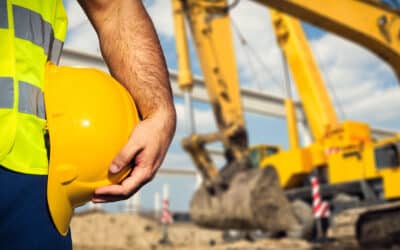
Essential Safety Equipment for Construction Workers
In the construction industry, having the essential safety equipment is a health and safety expectation. No matter the task expected to be completed, there are hazards which will require unique safety measures to be put in place to protect staff. Without proper...