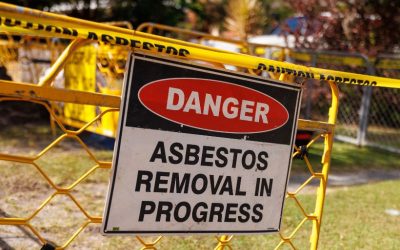


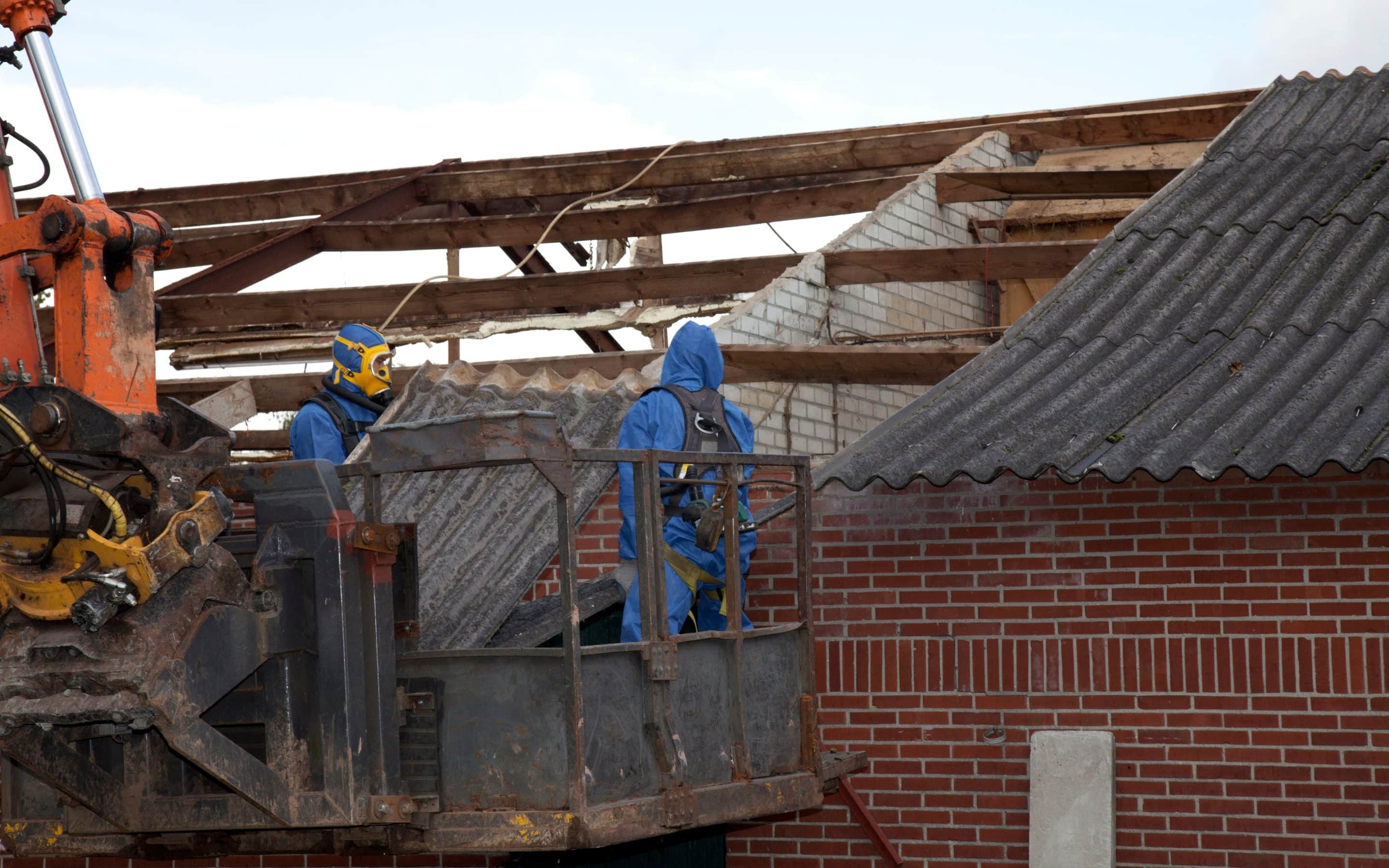
Asbestos is a highly hazardous material that was widely used in UK construction for decades. Although it was banned in 1999, fibres are still present in pre-2000s buildings and can be disturbed during routine tasks like drilling, cutting or accessing hidden areas within a building.
This means that for workers involved in construction, maintenance or refurbishment, the risk hasn’t gone away, as exposure to asbestos fibres can lead to serious diseases, often decades later.
According to the HSE, asbestos-related illnesses still cause around 5,000 deaths every year in the UK.
So, in this guide, we’re answering the most common questions employers and workers have about asbestos awareness courses and certificates. With over 20 years of experience in the health and safety industry, we’ve been fielding these questions for years, and are happy to share our expertise to further UK workplace health and safety.
FAQs About Asbestos Awareness Courses and Certificates
Asbestos awareness training is a vital component for keeping employees safe. Here, we answer all the questions that you, as an employer, may have about these courses.
What are the different asbestos awareness courses?
In the UK, asbestos awareness training is typically delivered in line with one of three recognised industry bodies – UKATA, RoSPA and IATP.
All of these providers offer courses that meet legal requirements. However, UKATA online asbestos awareness training https://safetyservicesdirect.com/product/ukata-asbestos-awareness-course/ is widely recognised across construction and supply chains, making UKATA the preferred choice for many employers and contractors.
The RoSPA-approved asbestos awareness training course is another excellent and affordable option. This online course can typically be completed within two hours and will teach your employees some of the most important information about working with asbestos.
Lastly, there is the IATP-approved asbestos course, which covers the same information as the RoSPA course, but in a shorter time span. This course can be completed within an hour, making it a convenient option for those who need to learn essential asbestos awareness information quickly.
How many modules are in asbestos awareness courses?
The number of modules will vary between course providers. Some are broken down into five modules, such as the RoSPA and IATP courses, while the UKATA is condensed into three modules.
Can you fail an asbestos awareness course?
Yes, it is possible to fail an asbestos awareness course.
Most courses include an assessment at the end to confirm understanding. If learners rush through the material or fail to engage with the content, they may not achieve a pass mark.
This is why it’s important to treat the training as more than a formality – it’s about understanding risks that could have serious long-term consequences.
What is included in asbestos awareness online training?
The content included in the asbestos awareness courses varies by provider. The RoSPA and IATP courses contain the same information, such as the types of asbestos and its properties, associated health risks and how to manage asbestos safely.
The UKATA course includes all of the information above, but in more detail. It also contains other in-depth information, such as regulations around asbestos, asbestos textiles and asbestos protective equipment.
Who is required to take asbestos awareness training?
There is no fixed list containing all the job roles that require asbestos awareness training. Each employer has a responsibility to assess the risk of asbestos exposure for each employee and provide training where appropriate.
Some examples of roles where asbestos awareness training may be necessary include:
- Carpenters
- Plumbers
- Demolition workers
- Plasterers
- Construction workers
- Roofers
- Ventilation and heating engineers
How long does an online asbestos awareness course take?
Online asbestos awareness training courses last one to two hours, depending on the course provider. Both the UKATA and RoSPA courses take two hours to complete, while the IATP course can be finished within an hour.
How often should asbestos awareness training be given?
In the UK, asbestos awareness training is legally required to be provided to employees who may be exposed to asbestos on the job. Regulation 10 of the Control of Asbestos Regulations 2012 recommends that refresher training should be provided frequently.
While this doesn’t provide precise specifications, it is generally accepted that this training should be provided to employees who may come into contact with asbestos, and thereafter, refresher training should be provided annually.
Is asbestos awareness training a legal requirement?
Yes, in many cases, it is.
Regulation 10 of the Control of Asbestos Regulations 2012 requires employers to ensure that employees who may be exposed to asbestos receive adequate information, instruction and training.
Failure to provide this training can result in serious trouble, including legal and financial consequences – but it’s as simple as enrolling in an awareness online training course.
What’s the difference between asbestos awareness and non-licensed asbestos training?
Asbestos awareness training and non-licensed asbestos training serve very different purposes, and it’s important not to confuse the two.
Asbestos awareness training is designed for workers who may come across asbestos but aren’t expected to work on it. It focuses on recognising potential risks, understanding where asbestos might be found, and knowing what to do if it’s encountered – primarily, stopping work and reporting it.
Non-licensed asbestos training (often referred to as Category B training) goes a step further. It’s intended for workers who will intentionally carry out work involving asbestos-containing materials, such as removing asbestos cement products or working with textured coatings under controlled conditions.
Who is responsible for asbestos training – employer or employee?
Responsibility for asbestos training sits firmly with the employer.
Under the Control of Asbestos Regulations 2012, employers have a legal duty to ensure that any employee who may be exposed to asbestos receives adequate information, instruction and training.
This means employers must:
- Assess the risk of asbestos exposure
- Identify which roles require training
- Provide appropriate and up-to-date training
- Ensure refresher training is carried out where necessary
Employees also have a responsibility to follow training and work safely, but the legal obligation to provide that training rests fully with the employer.
Do office workers or low-risk roles need asbestos training?
Not really, but it depends on the level of risk.
Asbestos awareness training is required for anyone who may disturb the fabric of a building as part of their work. For many office-based roles, this risk is low or non-existent.
However, there are exceptions.
For example, cleaners or caretakers working in older buildings may require training if their duties could involve accessing areas where asbestos-containing materials are present.
Ultimately, the need for training should always be based on a risk assessment, not job title alone.
Can asbestos awareness training be done online?
Yes, an online training course will do the trick, provided the course meets recognised standards.
Online training is often a practical option for organisations that need to train multiple employees or operate across different locations. It allows learners to complete the course at their own pace while still covering everything needed.
How long does an asbestos awareness certificate last?
Asbestos awareness training certificates are typically valid for one year. Thereafter, annual refresher courses should be provided to ensure employees do not forget their training.
Supporting Safer Workplaces Through Training
Asbestos may be a legacy material, but its risks are very much present today. Awareness training plays a vital role in preventing exposure, protecting workers and ensuring compliance with UK regulations.
If your employees could potentially encounter asbestos in their work, providing the right training isn’t just good practice — it’s a legal responsibility.
At Safety Services Direct, we offer recognised asbestos awareness training online – designed to be practical, accessible and relevant to real working environments.
Because when it comes to asbestos, understanding the risk is the first step in preventing it.