


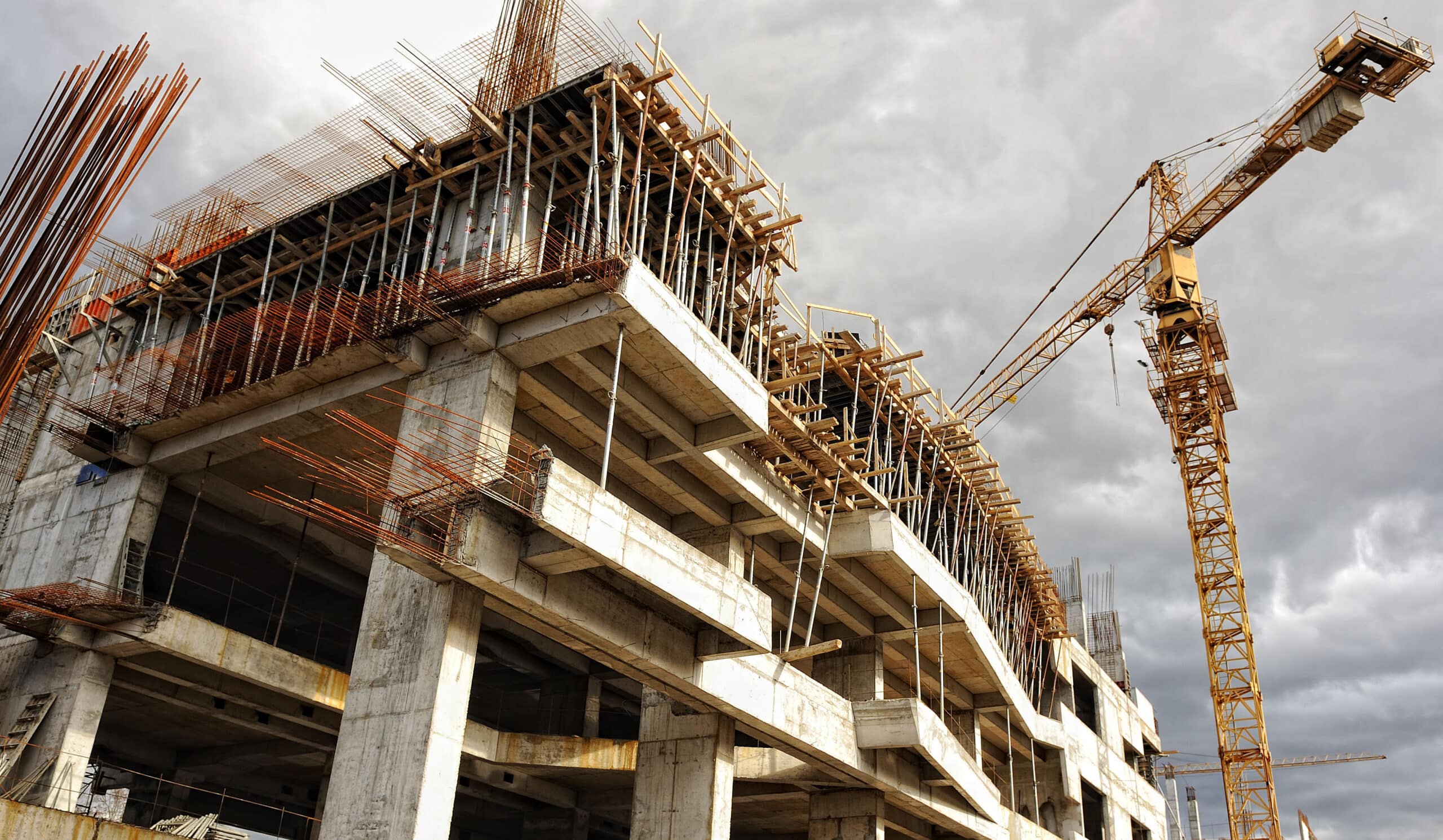
The construction industry is the backbone of the UK economy, but it is also consistently the most dangerous sector to work in. While significant strides in health and safety legislation have been made, building sites remain highly dynamic, high-risk environments where hazards change on a daily basis.
According to the latest Health and Safety Executive (HSE) statistics, 35 construction workers lost their lives in work-related incidents in the 2024/25 period. This means the construction sector accounts for a staggering 28% of all workplace fatalities in Great Britain, with a fatal injury rate approximately five times higher than the all-industry average.
Whether you are a Principal Contractor preparing a site induction, or a self-employed tradesperson arriving for your first shift, understanding the risks is a matter of life and death. In this comprehensive guide, we break down the overarching regulations, the 10 most common physical dangers, and how you can legally protect your workforce.
The Legal Framework: CDM Regulations 2015
Before assessing individual hazards, you must understand the law that governs them. The Construction (Design and Management) Regulations 2015 (CDM 2015) apply to all construction projects in the UK, from massive commercial builds to small domestic extensions.
CDM 2015 places strict legal duties on specific duty-holders to proactively manage health and safety throughout the lifespan of a project:
- The Client: Must ensure sufficient time and resources are allocated to health and safety.
- The Principal Designer: Must plan, manage, and coordinate health and safety during the pre-construction phase.
- The Principal Contractor: Must manage the actual construction phase. This includes drafting the Construction Phase Plan, securing the site, and ensuring all workers operate safely.
The 10 Most Common Dangers on a Building Site
1. Working at Height and Scaffolding Falls
By a significant margin, falls from height remain the number one killer on UK construction sites, accounting for over half of all fatal construction injuries.
- The Danger: Working on scaffolding, ladders, fragile roofs, and unprotected edges presents an immediate risk of a fatal fall. Even a fall from a relatively low height (under 2 metres) can cause severe spinal injuries.
- The Compliance: Employers must strictly adhere to the Work at Height Regulations 2005. Work at height should be avoided where possible. If unavoidable, adequate edge protection, safety netting, and mandatory Working at Height Online Training must be provided to all operatives.
2. Slips, Trips, and Falls on the Same Level
While they may sound minor compared to falling off a roof, slips and trips are the single most common cause of non-fatal injuries across all UK industries.
- The Danger: Uneven terrain, trailing power cables, discarded building materials, and wet surfaces create a minefield of trip hazards that frequently result in dislocated joints, fractured bones, and costly RIDDOR-reportable absences.
- The Compliance: Maintaining rigorous “housekeeping” is essential. Walkways must be kept clear, cables should be suspended above head height using cable hooks, and anti-slip safety footwear must be enforced as part of the site’s mandatory Personal Protective Equipment (PPE).
3. Moving Objects and Plant Machinery
A construction site is a constantly shifting puzzle of heavy machinery, delivery lorries, and overhead cranes.
- The Danger: Being struck by a moving object or vehicle is one of the top three causes of workplace fatalities. Workers on the ground are at high risk of being hit by reversing excavators or materials accidentally dropped from scaffolding.
- The Compliance: Under the Provision and Use of Work Equipment Regulations 1998 (PUWER), plant machinery must be strictly maintained. Principal contractors must enforce traffic management plans, physically separate pedestrian walkways from vehicle routes, and ensure trained banksmen guide all reversing vehicles.
4. Manual Handling and Musculoskeletal Disorders (MSDs)
Construction relies heavily on physical labour. The HSE reports that MSDs account for over 50% of all reported ill-health cases within the construction industry.
- The Danger: Continually lifting heavy loads with poor posture causes long-term damage to the spine and joints, such as herniated discs and severe sciatica.
- The Compliance: Site managers must ensure workers understand the kinematics of safe manual handling technique. Mechanical lifting aids must be used whenever possible, supported by certified Manual Handling Training.
5. Asbestos and Respirable Crystalline Silica (RCS) Dust
While physical injuries are immediate, respiratory diseases take decades to show symptoms. Past exposure to asbestos still kills around 5,000 UK workers every year.
- The Danger: Any building constructed before 2000 is likely to contain asbestos. If disturbed, microscopic fibres cause fatal cancers like Mesothelioma. Similarly, cutting bricks or concrete generates Respirable Crystalline Silica (RCS) dust, causing severe silicosis.
- The Compliance: Under the Control of Asbestos Regulations 2012, any worker liable to disturb asbestos must hold a valid UKATA Asbestos Awareness Certificate. For RCS dust, contractors must comply with COSHH Regulations, utilising dust extraction tools and providing face-fitted respiratory masks.
6. Noise-Induced Hearing Loss (NIHL)
Construction sites are exceptionally loud environments. The continuous roar of generators, pneumatic drills, and cutting equipment takes a permanent toll on the human ear.
- The Danger: Prolonged exposure to noise levels above 85 decibels (dB) causes irreversible damage, leading to Noise-Induced Hearing Loss and severe tinnitus.
- The Compliance: Employers must comply with the Control of Noise at Work Regulations 2005 by limiting a worker’s daily exposure time and providing suitable Ear Protection like defenders or earplugs.
7. Hand-Arm Vibration Syndrome (HAVS)
Workers who regularly use heavy, vibrating hand tools (like breakers and angle grinders) are at significant risk of developing HAVS.
- The Danger: Continuous vibration damages the blood vessels and nerves in the hands, leading to “Vibration White Finger” (VWF). This causes a permanent loss of grip strength that can end a tradesperson’s career.
- The Compliance: Under the Control of Vibration at Work Regulations 2005, employers must monitor trigger times, rotate tasks to limit exposure, and ensure tools are well-maintained.
8. Electrical Hazards and Electrocution
With temporary electrical supplies and exposed wiring, the risk of electrical shock is ever-present.
- The Danger: Contact with live cables can cause severe burns, heart fibrillation, and instant death. Working near overhead power lines is particularly hazardous for crane operators and scaffolders.
- The Compliance: All temporary site power should ideally run on a reduced 110-volt system rather than the standard 230-volt mains supply. All equipment must undergo regular Portable Appliance Testing (PAT), and live work must only be completed by competent persons.
9. Trench and Excavation Collapses
Groundworks and excavations are inherently unstable and subject to rapid environmental changes.
- The Danger: An unsupported trench can collapse in a matter of seconds, burying workers under tons of soil. The sheer weight of the earth makes self-rescue impossible, leading to rapid asphyxiation.
- The Compliance: Any excavation deeper than 1.2 metres requires robust support systems, such as trench boxes or shoring. Excavations must be inspected daily by a competent person before anyone enters.
10. Exhaustion and Mental Health
While physical dangers are highly visible, the mental and physical exhaustion of construction workers is a silent epidemic.
- The Danger: Working long hours in extreme weather leads to severe fatigue, drastically slowing reaction times. The high-pressure nature of the industry also contributes to a disproportionately high rate of stress and male suicide within the sector.
- The Compliance: Creating a positive workplace safety culture where workers feel psychologically safe to report exhaustion is vital. Providing access to mental health first aiders and enrolling management in HR Training Courses can save lives.
The Essential Site Induction Hazards Checklist
A comprehensive site induction is a legal requirement under CDM 2015. To ensure your workforce is fully aware of the site-specific dangers before they begin work, your induction must cover the following checklist:
| Site Induction Component | Key Information to Provide |
| Site Rules | Speed limits, restricted zones, and smoking/vaping areas. |
| Emergency Procedures | Location of assembly points, fire alarms, and fire extinguishers. |
| First Aid | The names of the appointed first aiders and the location of the First Aid Kits. |
| Hazard Zones | Specific locations of deep excavations, overhead power lines, or identified asbestos. |
| Welfare Facilities | The location of clean toilets, drinking water, and rest areas. |
| RAMS Acknowledgment | Ensuring all operatives have read, understood, and signed the specific Method Statements for their tasks. |
How Safety Services Direct Can Help
Managing these 10 profound dangers requires meticulous planning, a strong safety culture, and bulletproof paperwork. If a principal contractor or client asks for proof of your safety competence, you must be ready to provide it immediately.
Our Risk and Method Statement (RAMS) Templates provide you with the exact, legally compliant documents you need to prove you have assessed these site hazards and established safe systems of work.
Furthermore, if you are looking to win more lucrative commercial contracts, holding an SSIP accreditation is often mandatory. Our SSIP Accreditation Consultancy (including CHAS, SMAS, and SafeContractor) takes the administrative headache away. Let our Safety Advisory Service (SAS) experts help you prove your commitment to site safety, pass your audits on the first attempt, and enable your construction business to thrive.