


Asbestos. It’s a word that still sends a shiver down the spine of anyone involved in construction, maintenance or facilities management. While the material was banned decades ago, its repercussions remain, tucked away inside millions of buildings across the UK.
Understanding asbestos isn’t just good practice: it’s a legal necessity for workplace safety and health. So, let’s get into it.
The Current Asbestos Risk
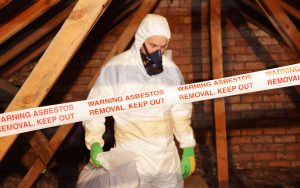
Asbestos isn’t a relic of the past – it’s very much a present issue. After all, the UK is filled with beautiful heritage buildings, the walls of which, more often than not, contain some of this fibrous material. To be a little more specific, an estimated 500,000 buildings in the UK are still thought to contain asbestos. When asbestos-containing materials (ACMs) are disturbed (with a hammer, drill, or any of the other wonderful tools of our trades), microscopic fibres can be released into the air. If inhaled, these fibres lodge deep in the lungs and over time can lead to deadly diseases, including:
- Mesothelioma – an aggressive cancer of the lung lining
- Asbestos-related lung cancer
- Asbestosis – irreversible lung scarring
- Diffuse pleural thickening – restricting lung function
These diseases often actually take anywhere between 15 and 60 years to show symptoms, but they are irrevocable once they develop. There is no known safe level of asbestos exposure, which is why awareness and prevention are absolutely critical (and legally required) for every job site.
Why Asbestos Still Matters in the UK
Although the UK banned the use, import and supply of all forms of asbestos by 1999, asbestos-containing materials remain widespread, especially in buildings built or refurbished before 2000. The most common asbestos-containing materials can include:
- Insulation boards
- Pipe lagging
- Floor tiles
- Roofing and cement sheets
- Sprayed coatings and fireproofing
If these materials are intact, they may not pose an immediate hazard – but damaged or disturbed materials absolutely do. With hundreds of thousands of buildings still containing ACMs, the risk of accidental exposure during maintenance, refurbishment or demolition is very real.
UK Law: The Control of Asbestos Regulations 2012
In the UK, asbestos safety isn’t optional – it’s governed by a robust legal framework centred on the Control of Asbestos Regulations 2012 (CAR 2012). These regulations require employers, building owners and duty holders to:
Identify and Assess Asbestos Risks: Duty holders must inspect premises for ACMs and maintain up-to-date asbestos registers and risk assessments, especially before undertaking any work that might disturb the building fabric.
Manage and Control Exposure: Where asbestos risks are present, exposure must be prevented or reduced to the lowest level reasonably practicable. This includes proper planning, engineering controls, fitting PPE and appropriate work systems.
Train Those at Risk: Under Regulation 10 of CAR 2012, employers must ensure anyone who might come into contact with asbestos is given adequate information, instruction and training. Introductory training like the UKATA Asbestos Awareness Course online is ideal for initial training, and those who are likely to work with this material should be enrolled in more comprehensive, in-person training. This protects workers and ensures that potentially dangerous situations are recognised and handled safely.
Categorise and Notify Work: Certain types of asbestos work are notifiable non-licensed work (NNLW), while higher-risk tasks are classified as licensed work, requiring specialist contractors and HSE notification. In these cases, a UKATA Asbestos Awareness certificate won’t quite cut it – a Category B NNLW asbestos training course will be required.
The Human Cost And Legal Consequences
Despite strong legal protections, Asbestos still causes approximately 5,000 deaths annually in the UK alone – that’s more than the number of people killed on the road. And unfortunately, exposure to asbestos also has a range of severe health consequences, as we saw above.
Penalties for failing to comply with asbestos regulations can therefore be severe, ranging from substantial fines to potential prosecution and even imprisonment in serious cases. Duty holders have both a legal and moral obligation to manage asbestos responsibly, and failure to do so can have devastating consequences for workers and an organisation’s reputation alike.
Training is Not Just Good Practice – It’s the Law
One of the most effective ways organisations can protect people and properly manage asbestos risk is through robust, recognised training. Under UK health and safety law, any worker whose role could potentially, possibly, perhaps disturb asbestos must receive appropriate asbestos awareness training.
This legal duty applies to a wide range of roles, including tradespeople, maintenance teams, facilities managers, surveyors, cleaners and supervisors.
Importantly, courses like the UKATA Asbestos Awareness Online Course are not about teaching people how to remove asbestos – it’s about giving them the knowledge to recognise potential risks, avoid exposure and take the correct action if asbestos is encountered.
Recognised Asbestos Awareness Training Options
In the UK, asbestos awareness training must meet the requirements set out in the Control of Asbestos Regulations 2012. Courses are typically delivered in line with recognised industry standards, such as those set by:
- UKATA (UK Asbestos Training Association)
- RoSPA (Royal Society for the Prevention of Accidents)
- IATP and other recognised awarding bodies
Why UKATA Asbestos Awareness Training Stands Out
UKATA is widely recognised by contractors, duty holders and enforcing authorities as the gold-standard benchmark for asbestos training, because UKATA training plays a particularly vital role in construction-related and property-focused industries.
A UKATA-approved asbestos awareness course provides clear, practical guidance to ensure delegates understand:
- What asbestos is and why it was so widely used
- Where ACMs are commonly found in UK buildings
- The serious health risks associated with asbestos exposure
- Legal duties under UK asbestos legislation
- How to avoid disturbing asbestos and the correct procedures if it is suspected or discovered
Courses are designed to be accessible, relevant and easy to complete, making them suitable for both new starters and experienced workers who require refresher training.
Reducing Risk Through Knowledge
By improving awareness and competence on site, organisations don’t just tick a box for compliance. They actively reduce the likelihood of accidental asbestos disturbance, protect worker health, and minimise the risk of enforcement action, project delays and costly remediation.
So, in short, effective asbestos awareness online training helps create safer working environments – where people know what to look out for, understand when to stop work, and know exactly who to report concerns to.
Ready to Invest in Asbestos Awareness Training Online?
Asbestos may have been banned over two decades ago, but its presence in the UK’s built environment continues to pose risks every day. With strong legal duties under CAR 2012, and no safe level of exposure, awareness and training are your first line of defence.
Whether you’re a building owner, contractor, facilities manager, or worker, understanding asbestos is essential for safety, compliance, and peace of mind.
If you could use a little (or a lot) of assistance with your team’s health and safety, just get in touch with us at 0121 3487828. With over 20 years of experience, we have a broad range of consultancy and training options to ensure your team is fully ready for their roles.