

Accidents and emergencies are never expected, but should always be planned for. In these critical moments, having even a basic understanding of first aid can make a life-saving difference.
First aid is not just a skill; it’s a set of principles designed to provide immediate assistance until the medical professionals arrive. Today, Safety Services Direct is diving into the basics of first aid by exploring the 3 P’s: Priorities, Principles, and Preparedness.
What Are The 3 P’s of First Aid?
In the chaotic aftermath of an accident or injury, it’s easy to feel overwhelmed. That’s why understanding the priorities of first aid is crucial. The three main priorities, often referred to as the “Three Ps,” guide responders on what actions to take first. There are Preserve Life, Prevent Deterioration, and Promote Recovery. Let’s look at the 3 aims of first aid in greater detail:
Preserve Life (P1)
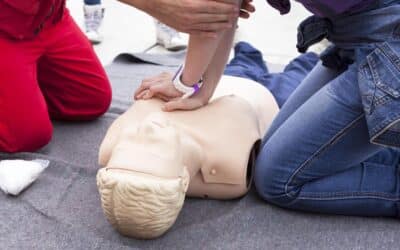
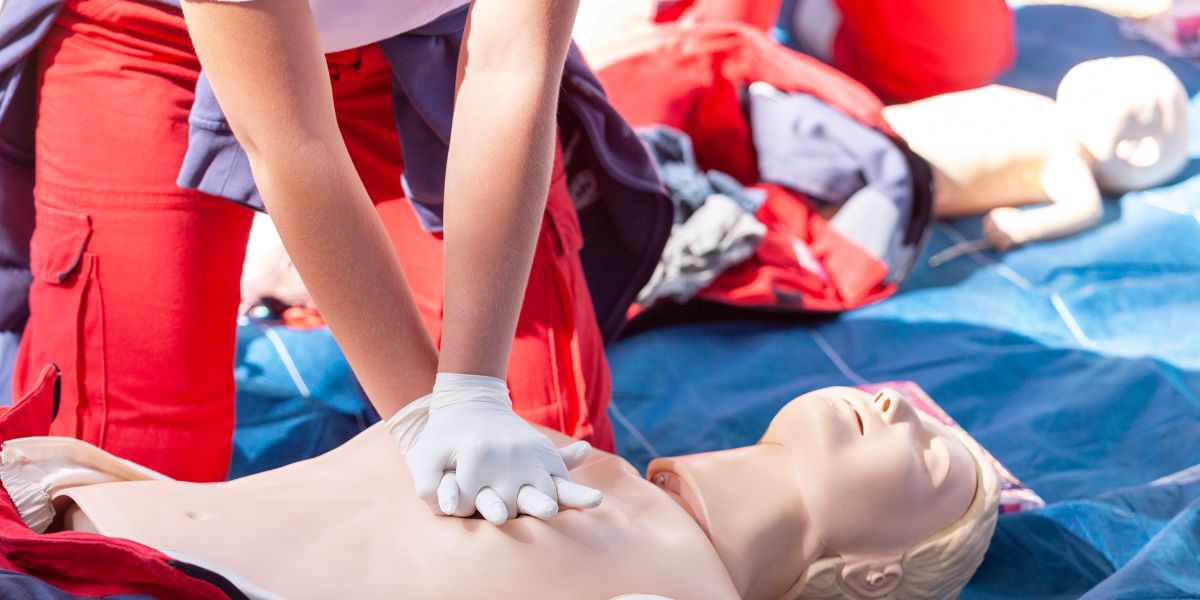
The primary objective of first aid is to preserve life! This means assessing the situation for any immediate dangers to the victim, yourself and bystanders. Take steps to ensure that everyone is safe from further harm before assisting the injured person. This could involve performing CPR, stopping bleeding, performing a Heimlich manoeuvre, or other actions until professional medical help arrives.
Prevent Deterioration (P2)
Once safety is established, the focus shifts to preventing the victim’s condition from getting worse. A first-aid training course will encourage you to take action to control bleeding, immobilise fractures, and address other immediate threats to prevent further injury.
Promote Recovery (P3)
After addressing immediate concerns, attention turns toward providing comfort and relief to the victim. Offering reassurance, keeping them warm, and providing pain relief are essential to promoting recovery in the initial stages of an emergency situation.
The Principles and Practices of First Aid
Basic first-aid procedures rely on a few key practices that ensure the best possible care is given to the injured person. Whether to save someone’s life or to relieve pain in medical emergencies, first aiders should:
Preserve Safety
Your safety, the victim’s safety, and the safety of others at the scene are paramount. Always assess the environment for potential hazards before approaching the injured person. For example, if the victim is lying on the train tracks, ensure that no trains are coming and that someone is ready to help you and the victim back to safety.
Assess the Situation
Quickly check the victim’s vital signs and evaluate the situation to determine the severity of the injuries and whether you need to call medical professionals. Your assessment will guide your actions and help you prioritise care and the first aid treatment you decide on.
Provide Comfort
Offering emotional support and reassurance can help calm the victim and promote their well-being in a medical emergency. Your presence and empathy can make a significant difference in their experience, no matter your specific first aid skills.
Take Action According to Your Knowledge
A first aid training course equips you with a basic understanding of what actions to take in various situations. Use your training and knowledge to provide appropriate care until professional help arrives. If you only have basic first aid knowledge, a heimlich maneuver, for example, is acceptable to attempt, but a cricothyrotomy should be left to the professionals.
Equipping Yourself for Emergencies
While first aid principles guide your actions, preparedness is the foundation that enables you to respond effectively. So, in order to equip yourself to offer emergency services to those in need, it is recommended that you enrol in a certified first aid course to gain the knowledge and skills needed to handle emergencies confidently. Without first-aid training, you should not offer help to the injured or ill person, as you may cause further injury or damage.
It is also important to regularly practice what you’ve learned through simulated emergency scenarios. This practice will help you feel more comfortable and confident should a real-life emergency arise.
It is also crucial to maintain a well-stocked first aid kit at home, in your car, and at your workplace. A typical first aid kit includes bandages, antiseptics, gauze, scissors, and other essential supplies that can help you save lives.
Next, as a first aider, you should keep a list of emergency contacts, including local hospitals, poison control, and important personal contacts. This information is invaluable in urgent situations.
Preserve, Prevent and Promote
The 3 p’s in first aid form the foundation of effective emergency response. By understanding the importance of preserving life, preventing deterioration, and promoting recovery, you can make a significant impact on the outcome of an emergency.
Armed with the guiding principles of safety, assessment, comfort, and appropriate action, you’ll be better equipped to provide assistance in critical situations. Remember, the key to successful first aid lies in continuous preparedness, knowledge, and a willingness to lend a helping hand when it matters most.