
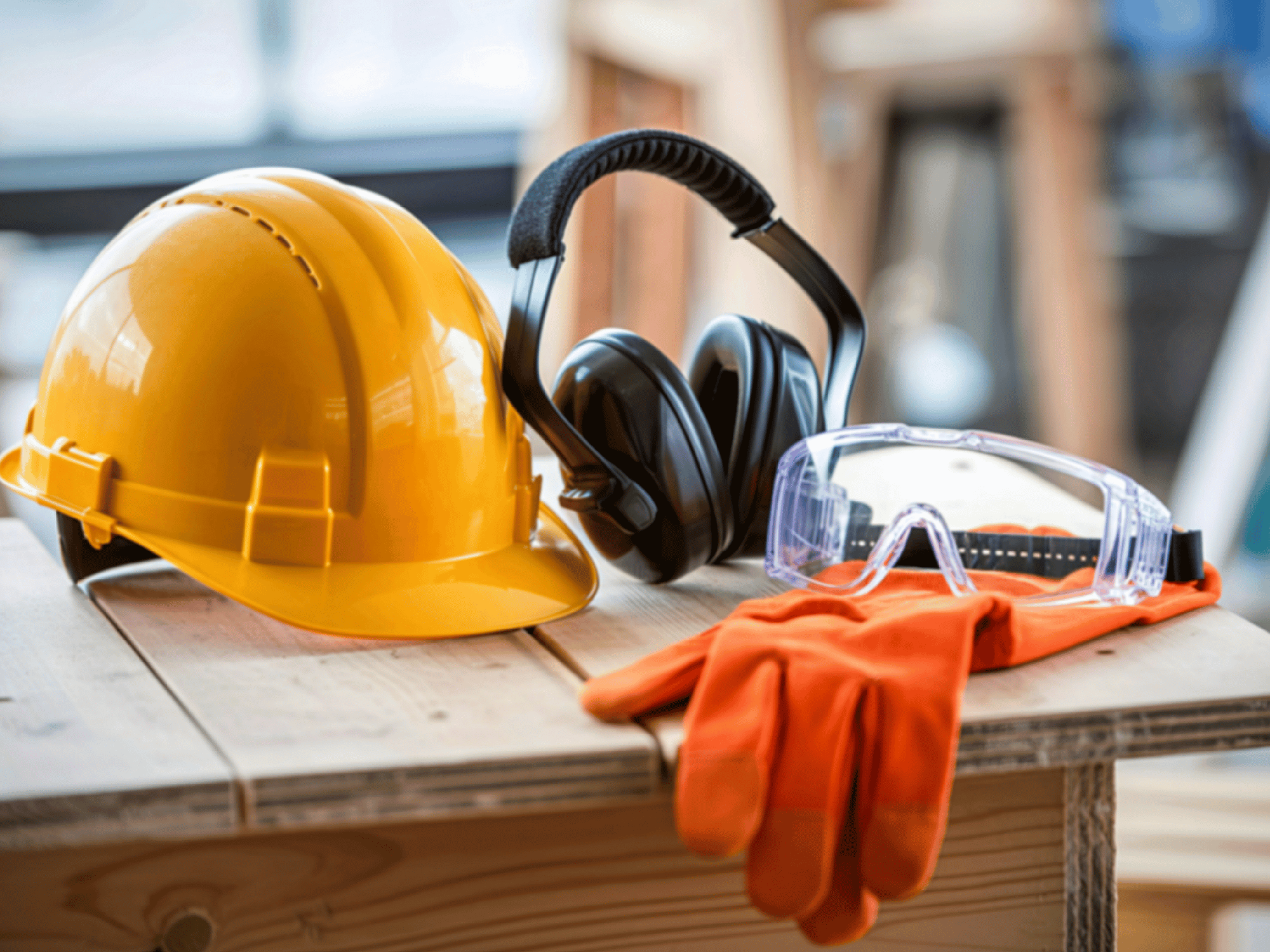
Walk onto just about any site, and you’ll see hard hats on heads, gloves in back pockets, high-vis vests zipped up. On the surface, everything looks compliant and safe. But here’s the tricky truth: simply issuing protective equipment doesn’t mean it’s being used correctly or effectively.
Across industries, incidents still occur where equipment is available but poorly selected, incorrectly fitted, misunderstood, or removed at the wrong moment. The gap isn’t always about supply. It’s about understanding. That’s where structured, practical learning around personal protective equipment makes a serious difference. In this blog, we’re exploring the hows and the whys of PPE, and how a straightforward online course can ensure your team gets it, too.
The Risks of a “Tick-Box” PPE Culture
It’s very natural for putting on protective equipment to become routine rather than intentional. After a while, even the most cautious team member might put it on without thinking, because over time, familiarity can breed complacency. Here are some of the most common issues we see when carrying out on-site health and safety audits for our clients:
- Wearing the wrong type of glove for the hazard
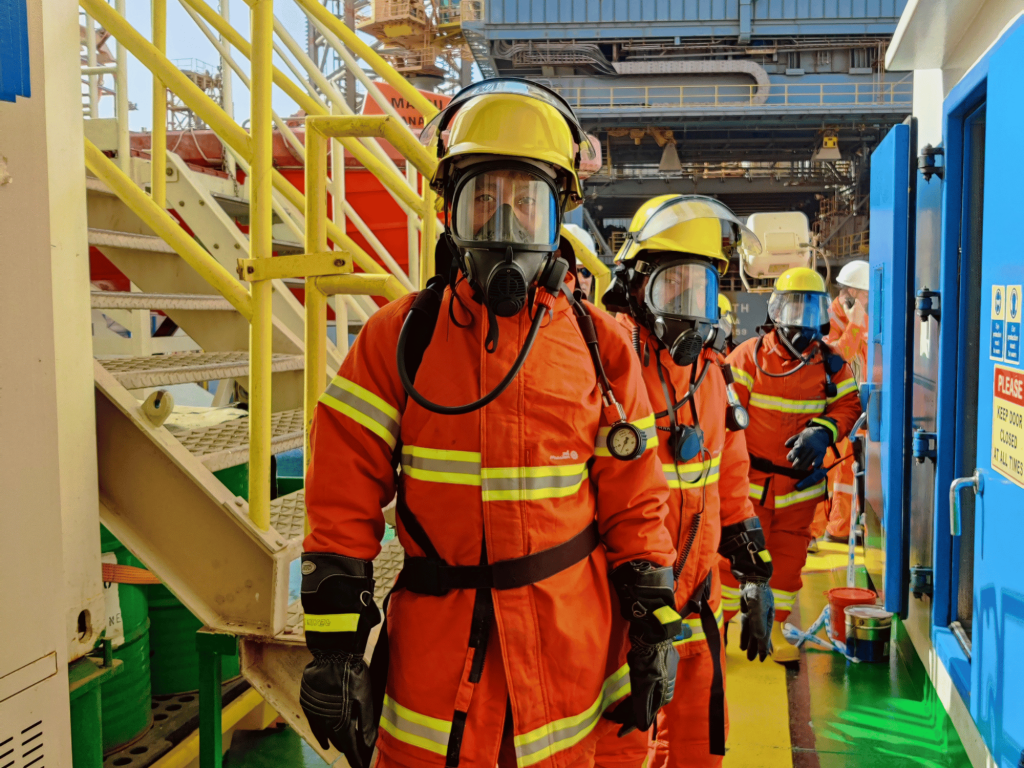
- Using respiratory protection without understanding the face fit or limitations
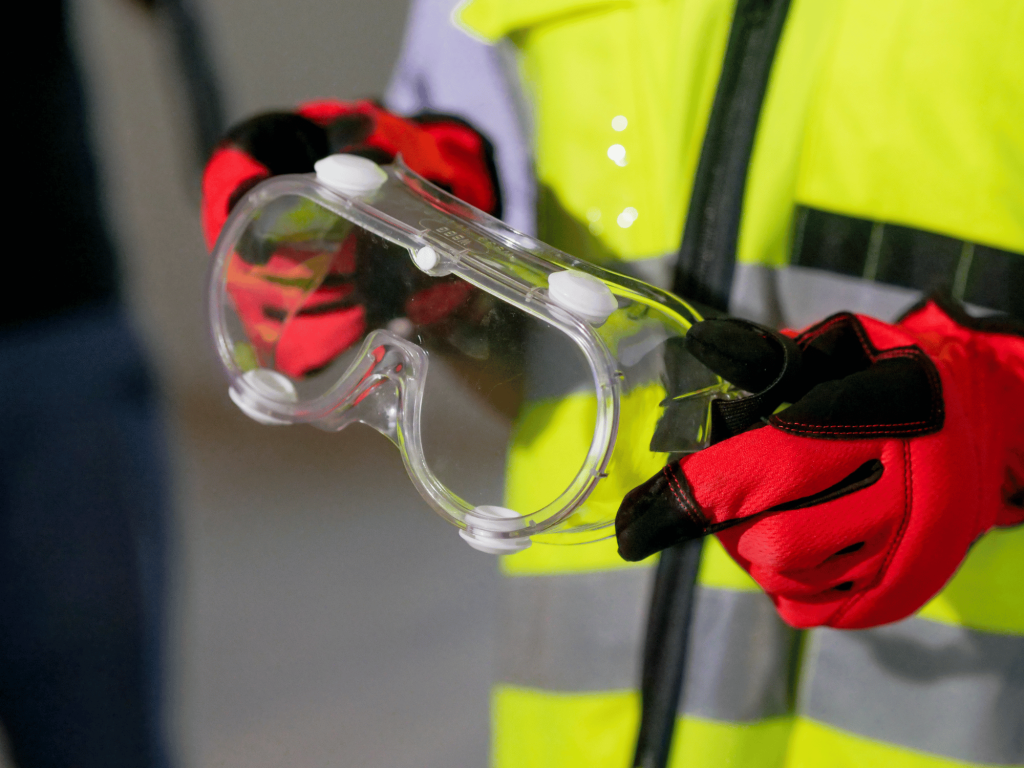
- Removing eye protection for “just a second”
- Not recognising when damaged equipment should be replaced
- Over-reliance on PPE instead of addressing the underlying risk
These are not deliberate acts of negligence – they’re knowledge gaps. And knowledge gaps are preventable.
If you’ve read our previous guides on PPE and its meaning, COSHH and PPE, or the importance of PPE in the workplace, you’ll know that equipment is always the last line of defence – not the first. When people understand that principle properly, behaviour changes.
Why PPE Misuse Happens
Most misuse doesn’t come from carelessness. It usually stems from:
- Limited understanding of hazard types
- Unclear responsibilities between the employer and the employee
- Poor communication about when and why equipment is required
- Lack of awareness around inspection and maintenance
- Discomfort, particularly in hot environments (as explored in our blog on PPE and heat stress)
When workers understand why something is required, not just that it is required, compliance improves naturally. Training bridges that gap.
Moving Beyond Distribution to Real Understanding
Issuing protective equipment at induction is not the same as ensuring it’s understood. Too often, equipment is handed out with a quick instruction and an assumption that compliance will follow. In reality, without structured learning, even well-intentioned employees may misuse, underuse or misunderstand what they’ve been given.
Effective training shifts the focus from distribution to comprehension. It helps employees understand the legal responsibilities placed on both employers and workers, clarifying that personal protective equipment is not optional or symbolic, but a defined part of workplace risk control. It explains the different categories of equipment and why certain types are selected for specific hazards. Just as importantly, it highlights the limitations of PPE, reinforcing that it is a last line of defence, not a substitute for eliminating or reducing the actual risk.
SSDs’ PPE training course also covers the practical details that make the difference in real-world settings: how to correctly wear and adjust equipment, how to inspect it before use, how to store it properly, and when it must be replaced. When employees understand how this equipment fits within the wider hierarchy of safety and control, their perspective changes. PPE is no longer seen as an inconvenience or an afterthought. It becomes part of a deliberate, structured safety strategy.
This level of understanding is particularly important in environments where hazards aren’t really visible. Airborne contaminants, chemical exposure, noise-induced hearing damage and fine dust inhalation rarely come with warning signs, and the absence of immediate harm can create a false sense of security. Training reinforces that the most serious consequences are often long-term and that consistent, correct use of protective equipment plays a critical role in prevention.
The Role of Online Learning in Improving PPE Standards
Not every organisation needs lengthy classroom sessions to reinforce PPE standards. In many cases, a focused, well-structured online course offers a practical, scalable solution for organisations.
Online learning works especially well when:
- Reinforcing knowledge across multiple sites
- Supporting new starters during induction
- Refreshing awareness for existing teams
- Providing consistent messaging across departments
- Demonstrating due diligence in compliance documentation
A structured programme ensures that everyone receives the same clear guidance, regardless of location or role. Our PPE online training course is designed with this in mind. It goes beyond definitions and explores practical, real-world applications, helping learners understand how protective equipment fits into everyday decision-making.
Importantly, it also supports organisations in demonstrating (for compliance) that employees have not only been issued equipment, but also properly instructed in its correct use.
PPE and Human Behaviour
Even the best equipment fails if behaviour undermines it. Workers remove their goggles because they fog. Gloves are discarded because they reduce dexterity. Hearing protection isn’t worn because “it’s only for a few minutes.” Training that openly and honestly addresses these behavioural realities is far more effective than rule-based instruction alone.
It helps employees recognise:
- Why short-term discomfort doesn’t outweigh long-term harm
- How minor adjustments can improve comfort and usability
- Why “quick tasks” are often when incidents occur
- How peer influence affects safety behaviour
When teams share a common understanding, safety stops feeling imposed and starts feeling owned.
Practical, Accessible Learning That Supports Real-World Compliance
If you’re looking to strengthen understanding across your workforce, our structured online PPE course provides a clear, accessible way to reinforce standards. It’s suitable for employees across sectors and designed to complement your wider safety systems, not replace them. Combined with your existing risk assessments, supervision and safety policies, it helps ensure that protective equipment is used correctly, consistently and confidently.
Because PPE only works when people understand it. And understanding starts with the right training.