



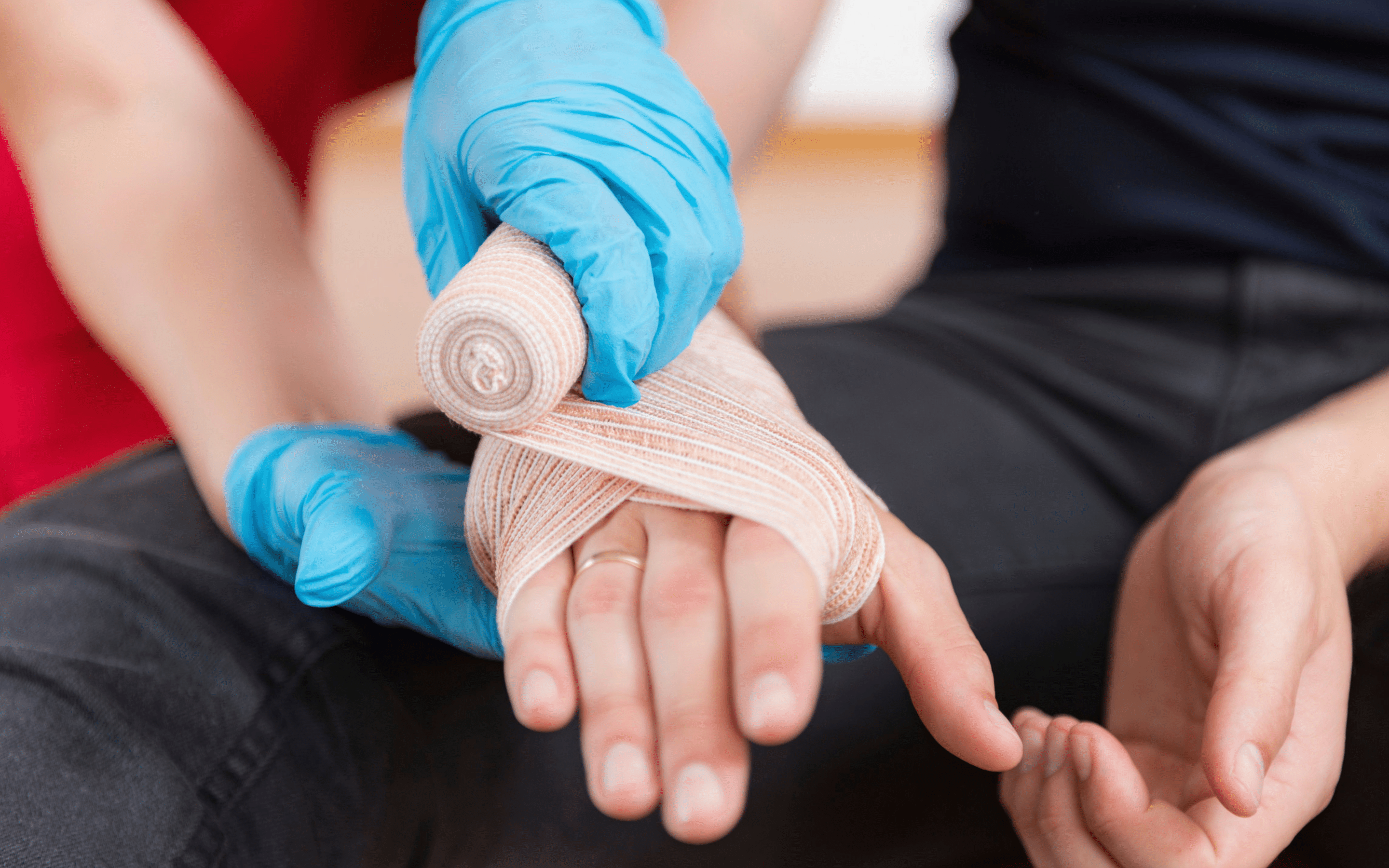
Every year in the UK, thousands of workers suffer painful, debilitating burn injuries. While we often associate burns with high-risk industries like welding, commercial catering, or chemical manufacturing, severe burns can happen in any workplace from scalding hot water in an office kitchen to electrical faults in a retail stockroom.
Because burn injuries involve acute medical trauma, knowing exactly how to respond in the crucial first few minutes can mean the difference between a rapid recovery and permanent, life-altering scarring.
In this comprehensive guide, we break down the five main causes of workplace burns, how to identify the different degrees of burn severity, the exact first aid treatments recommended by medical authorities, and the strict legal responsibilities of UK employers to prevent these incidents.
The 5 Main Causes of Workplace Burns
Burns are not just caused by open flames. In a commercial environment, employees are exposed to a variety of hazards that can cause severe tissue damage:
1. Thermal Burns (Heat and Scalds)
This is the most common type of workplace burn. It is caused by direct contact with open flames, hot surfaces (like ovens, radiators, or machinery exhaust pipes), hot liquids (scalds from boiling water or deep-fat fryers), or steam.
2. Chemical Burns
Caused when corrosive substances, such as strong industrial acids, alkalis, thinners, or harsh cleaning solvents, come into direct contact with the skin or eyes. Chemical burns are particularly dangerous because they can continue to burn and destroy deep tissue until the chemical is completely washed away or neutralised.
3. Electrical Burns
Occur when an electrical current passes through the body. The intense heat generated by the electrical resistance of human tissue causes severe internal burns. Electrical burns often look minor on the surface but can cause devastating internal organ damage and cardiac arrest.
4. Friction Burns
Often overlooked, friction burns occur when the skin is rapidly rubbed against a rough surface. In workplaces, this frequently happens in warehouses (e.g., a rapidly moving conveyor belt rubbing against an arm, or a rope slipping quickly through bare hands).
5. Radiation Burns
Caused by prolonged exposure to ultraviolet (UV) light or other sources of radiation. In the workplace, this commonly affects outdoor construction workers (severe sunburn) or tradespeople exposed to UV light from arc welding without adequate face protection (“welder’s flash”).
Understanding the Degrees of Burns
Medical professionals and the British Burn Association (BBA) categorise burns based on how deeply they have penetrated the skin. Identifying the severity of the burn is critical for applying the correct first aid.
| Classification | Affected Area | Symptoms & Appearance | Pain Level |
| First-Degree (Superficial) | Affects only the outer layer of the skin (the epidermis). | Red, dry skin. No blisters. Mild swelling. (e.g., a minor sunburn). | Mild to moderate pain. |
| Second-Degree (Partial-Thickness) | Affects the epidermis and the underlying layer (the dermis). | Very red, weeping, and severely blistered. The area may look shiny and wet. | Extreme pain (the nerve endings are exposed). |
| Third-Degree (Full-Thickness) | Destroys both layers of skin and extends into the subcutaneous tissue (fat). | The skin appears white, waxy, leathery, or charred black. | Surprisingly, often painless (because the nerve endings have been completely destroyed). |
| Fourth-Degree | Penetrates entirely through the skin, fat, and deeply into muscle and bone. | Deep charring, exposed muscle or bone. Life-threatening. | No feeling in the area. |
Immediate First Aid for Thermal Burns: The Do’s and Don’ts
If a colleague suffers a thermal burn or scald, you must act rapidly. According to official first aid guidelines from the NHS and the training experts at St John Ambulance, you should follow these steps:
The DO’s:
- Stop the burning process: Remove the person from the heat source immediately.
- Cool the burn: Run cool or lukewarm running water over the burn for a minimum of 20 minutes. This draws the heat out of the deep tissue and stops the burn from worsening.
- Remove constrictions: Remove any clothing, jewellery, or watches near the burnt area immediately, as the skin will begin to swell rapidly.
- Cover the burn: Once cooled, cover the burn loosely with layers of cling film (which prevents infection and stops the exposed nerve endings from hurting as air hits them) or a sterile burn dressing from your Workplace First Aid Kit.
The DON’Ts:
- DO NOT use ice, iced water, or greasy substances like butter, toothpaste, or ointments. These trap the heat inside the tissue and cause further damage.
- DO NOT pop any blisters. This opens the wound to severe bacterial infection.
- DO NOT remove clothing that has melted or stuck to the burn.
Specialised First Aid: Chemical and Electrical Burns
Thermal burn treatments do not always apply to other hazards.
- For Chemical Burns: You must flood the area with copious amounts of clean running water to dilute and wash away the chemical. Be careful not to wash the chemical onto unaffected areas of the skin. If the chemical enters the eye, flush it continuously at an eye-wash station for at least 20 minutes and call 999.
- For Electrical Burns: Never touch the casualty until you are absolutely certain the electrical current has been isolated at the mains, as detailed in the official safety guidance from the Health and Safety Executive (HSE). Once safe, check their breathing and pulse, as electrical shocks frequently cause cardiac arrest. Even if the visible burn looks small, the casualty must go to the hospital for internal checks.
When to Call 999 (Emergency Medical Attention)
Always err on the side of caution. You must call an ambulance or take the casualty directly to A&E if:
- The burn is larger than the size of the casualty’s hand.
- The burn causes white, leathery, or charred skin (third-degree).
- The burn is caused by chemicals or electricity.
- The burn affects the face, neck, hands, feet, or genitals.
- The casualty goes into shock (characterised by cold, clammy skin, fast breathing, and weakness).
UK Law: Employer Responsibilities and Burn Prevention
As an employer, you have strict legal duties regarding burns under multiple pieces of UK legislation. Failing to protect your workforce can result in massive personal injury compensation claims and prosecution by the authorities.
1. The Health and Safety (First-Aid) Regulations 1981
Under the Health and Safety (First-Aid) Regulations 1981, you must provide adequate and appropriate first aid equipment, facilities, and personnel. This means conducting a “First Aid Needs Assessment” and ensuring your site has fully stocked, in-date First Aid Kits, dedicated burn dressings, and designated, trained first aiders.
Expert Resource: Review the official statutory guidance within the HSE’s INDG214 first aid checklist for exact details on what your workplace kits must contain.
2. COSHH Regulations and Chemical Burns
If your staff handle corrosive chemicals, you must comply with the Control of Substances Hazardous to Health (COSHH) regulations. You must:
- Substitute: Replace hazardous chemicals with safer alternatives where reasonably practicable.
- Protect: Provide mandatory Personal Protective Equipment (PPE), such as chemical-resistant gauntlets, aprons, and full-face visors.
3. PUWER and Machinery Burns
Under the statutory framework of the Provision and Use of Work Equipment Regulations (PUWER) 1998, employers must ensure that any machinery generating extreme heat or friction is fitted with appropriate safety guards to prevent accidental contact with skin.
4. RIDDOR and Accident Reporting
If an employee suffers a burn that covers more than 10% of their body, or a burn that causes significant damage to the eyes, respiratory system, or other vital organs, it is classified as a “Specified Injury.” You are legally required to report this directly to the HSE under the RIDDOR reporting guidelines. Even minor burns must be recorded internally in your GDPR-compliant Accident Book.
How Safety Services Direct Can Help
When an accident happens, having the right equipment instantly available saves lives and prevents permanent scarring. We provide comprehensive, HSE-compliant First Aid Supplies, including dedicated burn dressings, hydrogel treatments, and eye-wash stations to ensure you are fully prepared for any emergency.
To proactively prevent burns from occurring in the first place, education is key. We offer a wide range of Online Health and Safety Courses, including COSHH Awareness and Basic First Aid, empowering your staff to identify hazards and respond calmly in an emergency.
If you need help auditing your workplace hazards, identifying chemical risks, or creating robust Risk and Method Statements (RAMS) for hot works, our Health and Safety Advisory Service (SAS) consultants are here to act as your dedicated competent safety partner.
Act Fast, Act Safe
In summary, workplace burns are highly traumatic injuries that require swift, accurate first aid to prevent permanent damage. Whether dealing with a simple scald from an office kettle, a severe chemical splash in a laboratory, or a friction burn in a warehouse, knowing to cool the burn with running water for 20 minutes, using cling film, and avoiding dangerous home remedies like ice or butter is vital. By ensuring your site is equipped with the correct first aid kits, enforcing strict PPE rules, and investing in continuous staff training, employers can foster a legally compliant, highly secure environment that actively protects its workforce.