
Every UK employer has a legal duty to make sure employees receive immediate attention if they are injured or taken ill at work.
The Health and Safety (First-Aid) Regulations 1981 require you to provide adequate and appropriate equipment, facilities and personnel. What counts as “adequate and appropriate” depends on the specific risks and circumstances of your workplace, not on a simple headcount formula.
What The Laws Requires
Employers must:
- Carry out a first aid needs assessment
- Provide suitable first aid equipment and facilities
- Ensure there are enough trained people (or appointed persons) available
- Inform employees about the first aid arrangements
The assessment is the foundation of everything else. It should consider the nature of the work and workplace hazards, the size and layout of the premises, the number of employees and their distribution (including shift patterns and remote or lone workers), the history of accidents and ill health, the needs of any employees with particular health conditions, and how far you are from emergency medical services. The findings of this assessment determine the level of provision you need.
Emergency First Aid at Work (EFAW) and First Aid at Work (FAW)
There are two main levels of workplace first aid training:
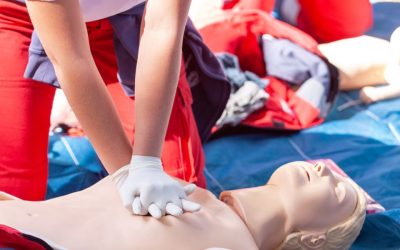
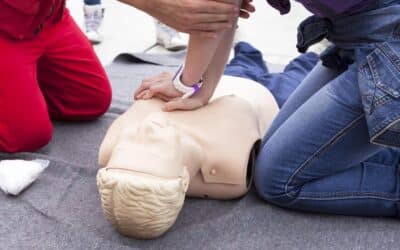
- Emergency First Aid at Work (EFAW) is a one-day course. It equips someone to give emergency first aid to someone who is injured or becomes ill at work. It typically covers assessing the situation, CPR and use of a defibrillator, the unconscious casualty, choking, severe bleeding, shock, seizures and minor injuries.
- First Aid at Work (FAW) is a three-day course. It includes everything in EFAW plus additional topics such as injuries to bones, muscles and joints (including suspected spinal injuries), burns and scalds, eye injuries, poisoning, anaphylaxis, and recognition of major illnesses such as heart attack, stroke, asthma, epilepsy and diabetes.
Your needs assessment decides which level is appropriate. Many lower-risk workplaces find that EFAW-trained first aiders are sufficient. Higher-risk environments, larger sites or workplaces with specific medical risks often need FAW-trained first aiders, sometimes supported by people with additional specialist training.
How Many First Aiders Do You Need?
There is no fixed legal number based solely on headcount. The Health and Safety Executive provides suggested minimum numbers as a starting point, but these are guidance only. The final decision must be based on your needs assessment.
As a rough guide for lower-risk workplaces (such as offices, shops or libraries):
- Fewer than 25 employees: at least one appointed person
- 25–50 employees: at least one first aider trained in EFAW or FAW
- More than 50 employees: at least one FAW-trained first aider, with additional first aiders as numbers grow
In higher-risk workplaces the suggested numbers are higher and FAW training is more commonly required. You also need to consider cover for holidays, sickness, shifts and people working away from the main site. It is good practice to have enough trained people so that first aid cover is maintained at all times when employees are at work.
An appointed person is someone who takes charge of first aid arrangements (including looking after the first aid equipment and calling the emergency services when required). An appointed person is not a substitute for a trained first aider where the needs assessment shows that trained first aiders are necessary.
What First Aid Equipment Is Needed?
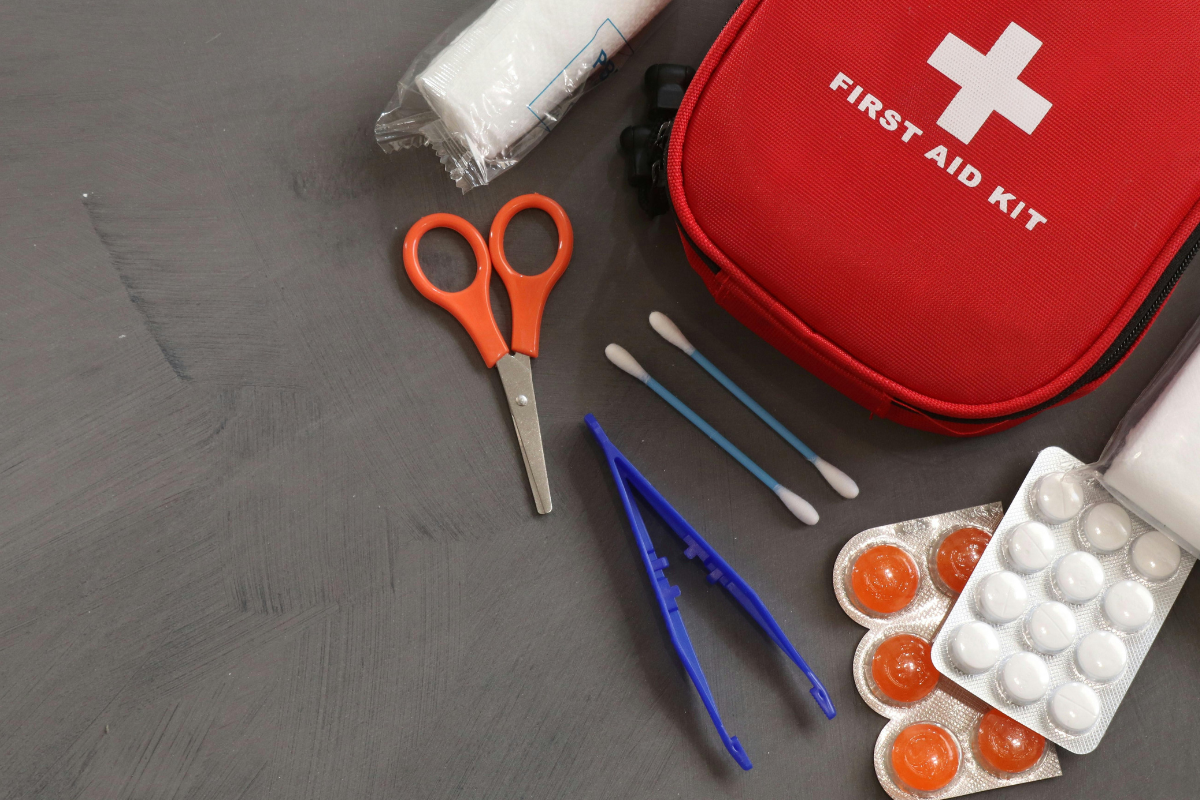
In addition to trained people, you must provide suitable first aid equipment. As a minimum this usually means one or more properly stocked first aid kits. The exact contents should reflect the findings of your needs assessment.
Many employers choose kits that meet the British Standard BS 8599-1, which was updated in 2026 and now also gives guidance on the provision and placement of automated external defibrillators (AEDs).
You should also make sure employees know:
- Who the first aiders or appointed persons are
- Where the first aid equipment is kept
- What to do in an emergency
Clear notices and induction information are the usual ways of meeting this duty.
How Long Are First Aid Certificates Valid?
First aid certificates are valid for three years. First aiders must requalify before their certificate expires. The HSE strongly recommends annual refresher training to keep skills and confidence up to date between full requalification courses, even though refresher training is not a legal requirement.
How Safety Services Direct can help
Our Emergency First Aid at Work (EFAW) Course is an Ofqual-approved one-day programme that meets the requirements of the Health and Safety Executive. It combines practical and theoretical training and covers the core skills needed to act effectively in a workplace emergency. The certificate is valid for three years.
Whether you need to train your first EFAW first aiders, add extra cover, or requalify existing staff, a properly delivered EFAW course helps you meet your legal duties and, more importantly, gives your people the confidence and competence to help when it matters.
A good first aid needs assessment, the right number of trained people, suitable equipment and clear information form the basis of effective workplace first aid provision.
Review the arrangements regularly, especially when the workplace, workforce or work activities change, and make sure your first aiders stay trained and confident.