



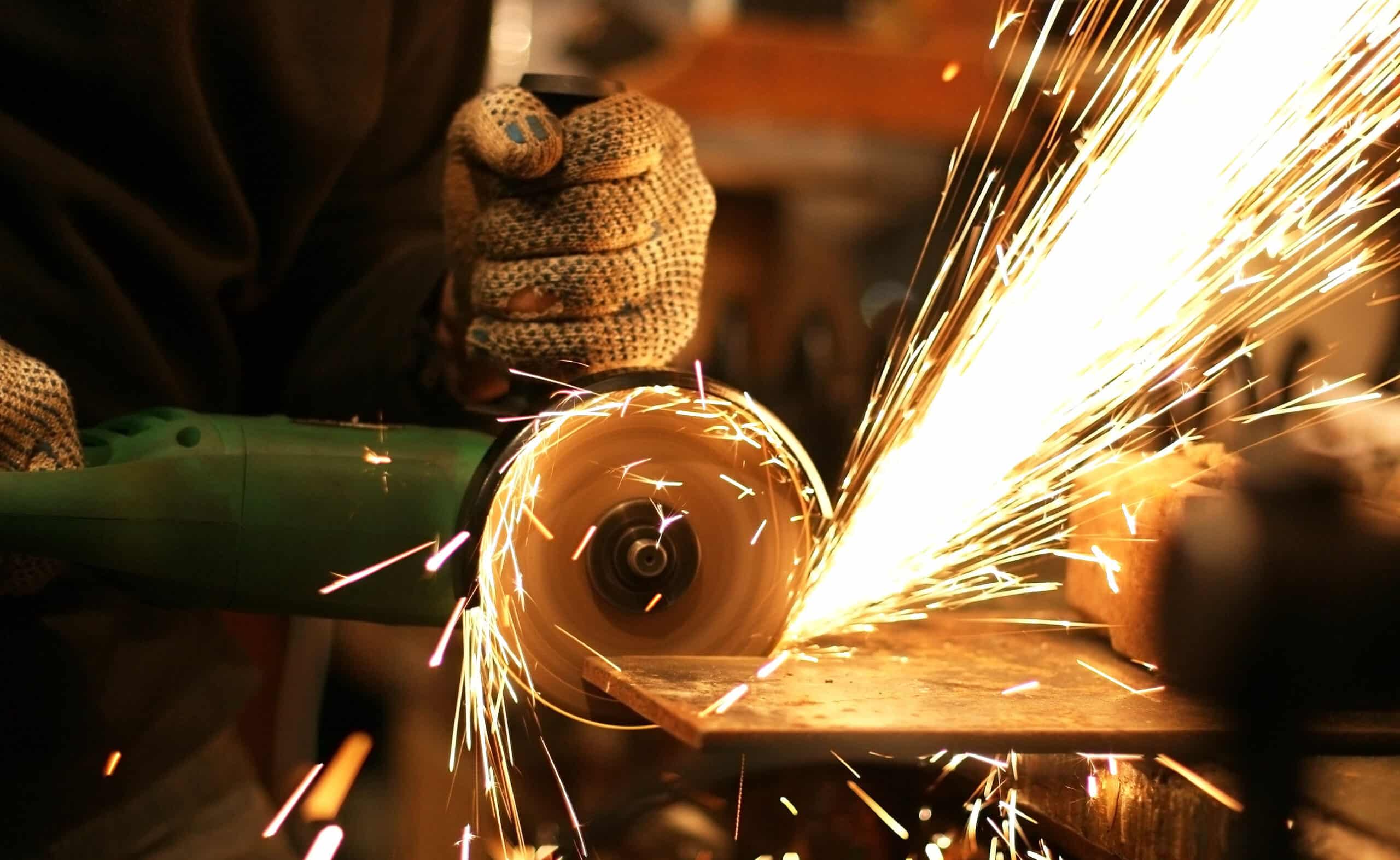
Operating an abrasive wheel, whether it is an angle grinder on a construction site, a bench grinder in a workshop, or a petrol-driven cut-off saw, comes with severe risks. Because these wheels spin at thousands of revolutions per minute (RPM), a momentary lapse in concentration or a hidden defect can cause the wheel to shatter, turning the fragments into lethal, high-speed projectiles.
Historically, the UK governed this equipment under the Abrasive Wheels Regulations 1970. However, these were revoked and replaced by the much broader Provision and Use of Work Equipment Regulations 1998 (PUWER).
If your employees use abrasive wheels, you have a strict legal duty under PUWER and the Health and Safety at Work Act 1974 to keep them safe. Here is a comprehensive breakdown of what the UK regulations require.
The Core Requirements of PUWER 1998
PUWER places duties on businesses and organisations that own, operate, or have control over work equipment. When it comes to abrasive wheels, the regulations stipulate four main pillars of compliance:
1.Suitability of Equipment
Employers must ensure that the abrasive wheel and the machine it is mounted on are perfectly suited for the specific task and the material being cut or ground. Using a wood-cutting disc on an angle grinder, or a masonry wheel to cut steel, is incredibly dangerous and a direct breach of PUWER.
2. Maintenance and Guarding
Abrasive wheels must be meticulously maintained. The law requires that all machines are fitted with robust, appropriate guards to contain fragments in the unlikely event of a wheel burst. These guards must be kept in good working order and adjusted correctly before every use.
3. Information and Instructions
Workers must have access to clear written instructions regarding the safe operation of the machinery. This includes understanding the specific markings on an abrasive wheel, such as the maximum safe operating speed (RPM) and the expiry date (applicable to organic bonded wheels, which typically expire three years from manufacture).
4. Mandatory Competence and Training
Under PUWER, no one should mount, operate, or inspect an abrasive wheel without proper, documented instruction. Competence is non-negotiable. Completing an abrasive wheels online training course ensures your operators understand these legal requirements, know how to interpret wheel markings, and can safely mount the equipment without risking a catastrophic failure.
Beyond PUWER: Other Associated Regulations
While PUWER governs the machinery itself, the use of abrasive wheels triggers several other vital UK health and safety regulations due to the by-products of grinding and cutting. Employers must also manage the following hazards:
| Hazard | Associated UK Regulation | Employer Duty & Mitigation |
| Harmful Dust (e.g., Silica) | Control of Substances Hazardous to Health (COSHH) 2002 | Grinding masonry or concrete releases respirable crystalline silica (RCS). Employers must provide water suppression systems, on-tool extraction, and suitable Respiratory Protective Equipment (RPE) like FFP3 masks. |
| Vibration | Control of Vibration at Work Regulations 2005 | Prolonged use of hand-held grinders causes Hand-Arm Vibration Syndrome (HAVS) and “white finger”. Employers must monitor trigger times, purchase low-vibration tools, and rotate tasks. |
| Noise | Control of Noise at Work Regulations 2005 | Abrasive wheels routinely exceed the upper exposure action value of 85 decibels (dB). Appropriate hearing protection must be provided and worn in designated noise zones. |
| Sparks and Fire | Regulatory Reform (Fire Safety) Order 2005 | Sparks from cutting steel can travel several metres. Combustible materials must be cleared from the work area, and a “Hot Work Permit” system should be implemented. |
The Importance of Pre-Use Inspections
Regulations dictate that equipment must be safe to use every single time it is switched on. This means operators must be trained to conduct pre-use visual inspections.
If an angle grinder is dropped, the wheel can sustain hairline cracks that are invisible to the naked eye. Workers must be taught how to perform visual checks, inspect the blotters (the paper discs in the centre of the wheel that distribute clamping pressure), and conduct a ‘ring test’ for vitrified wheels to ensure structural integrity before mounting.
Importance of PUWER Summarised
The regulations surrounding abrasive wheels are stringent because the consequences of a mistake are devastating. By ensuring your equipment complies with PUWER, managing secondary hazards like dust and vibration, and investing in high-quality training, you protect your workforce from life-altering injuries and shield your business from HSE prosecution.