

With over a third of all workplace accidents in the UK attributed to poor lifting and carrying techniques, conducting a proper manual handling risk assessment is not just good practise, it is a strict legal requirement under the Manual Handling Operations Regulations 1992 (MHOR).
To help employers and employees systematically assess the risks associated with moving and handling loads, the Health and Safety Executive (HSE) recommends using the TILEO framework.
TILEO is a practical acronym that forces you to look at every single angle of a lifting task before a worker ever lays their hands on an object. Here is the complete breakdown of each principle and how to apply it in your workplace.
Task (T)
The first step is to analyse the mechanics of the work activity itself. Often, the risk of injury comes not from the weight of the object, but from how the body is forced to move while handling it. You must evaluate if the task involves awkward postures, repetitive motions, or prolonged physical effort.
Task Risk Assessment
| Risk Factor | Mitigation Strategy |
| Twisting or stooping | Rearrange the workspace so items are positioned at waist height, directly in front of the worker. |
| Excessive travel distance | Use handling aids like pallet trucks or trolleys, or relocate the storage area closer to the delivery point. |
| Repetitive lifting | Introduce mandatory rest breaks or rotate staff between different duties to prevent muscle fatigue. |
Individual (I)
Every worker is physically different, meaning a safe lift for one person could result in a severe back injury for another. The “Individual” principle requires you to look at the specific capabilities, health status, and physical limitations of the person performing the task.
Individual Risk Assessment
| Risk Factor | Mitigation Strategy |
| Pre-existing injuries | Reassign heavy lifting tasks to other workers or introduce mechanical lifting aids. |
| Pregnancy or health conditions | Conduct a specific personal risk assessment and modify duties to eliminate manual handling risks. |
| Lack of experience/training | Ensure the worker has completed certified manual handling training before undertaking the task. |
Load (L)
This focuses entirely on the object being moved. While weight is the most obvious factor, the size, shape, and stability of the load are equally critical. A lighter, awkward load can often cause more damage than a heavier, compact one.
Load Risk Assessment
| Risk Factor | Mitigation Strategy |
| Heavy or bulky items | Break the load down into smaller, lighter packages, or make it a mandatory two-person lift. |
| Lack of grip/handles | Secure the item in a specialised carrying container or attach temporary carrying straps. |
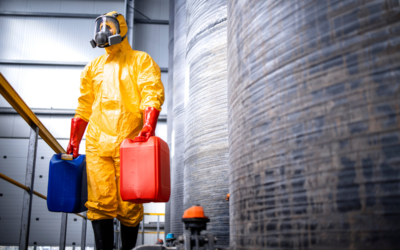
| Unpredictable contents | If the load contains liquids or moving parts, secure the contents internally before lifting to prevent sudden weight shifts. |
Environment (E)
The surrounding area plays a massive role in manual handling safety. A perfectly executed lift can still result in a severe injury if the worker slips, trips, or is forced into a cramped space.
Environmental Risk Assessment
| Risk Factor | Mitigation Strategy |
| Uneven or slippery flooring | Clean spills immediately, fix broken flooring, and ensure workers wear anti-slip safety footwear. |
| Space constraints | Clear the designated pathway of clutter before the lift begins to prevent awkward manoeuvring. |
| Poor lighting or extreme temperatures | Install adequate lighting in storage areas and provide suitable clothing for cold environments, which can numb hands and reduce grip. |
Other Factors (O)
The final letter encompasses anything else that might impact the safety of the lift, most notably the use of Personal Protective Equipment (PPE) and psychosocial factors.
Other Factors Risk Assessment
| Risk Factor | Mitigation Strategy |
| Restrictive PPE | Ensure heavy-duty gloves do not severely compromise grip, and that safety goggles do not obscure the worker’s line of sight. |
| Time pressure and rushing | Adjust targets or deadlines so workers do not feel compelled to skip safety procedures to get the job done faster. |
| Faulty equipment | Implement a strict pre-use inspection policy for all trolleys, hoists, and carrying aids to ensure they are fully operational. |
Ensuring Your Team is Compliant
Understanding the TILEO method is only the first step. The law dictates that your workforce must be practically aware of how to apply these principles to their daily tasks to minimise the risk of musculoskeletal disorders.
The most efficient, cost-effective way to ensure your entire team is fully compliant with HSE regulations is to enroll them onto a dedicated manual handling course online. Proper education is the ultimate tool for preventing injuries and maintaining a safe, productive working environment.